Tired of the embarrassment and discomfort of persistent bad breath?
Halitosis, commonly known as bad breath, affects millions worldwide, often impacting confidence and social interactions. It's more than just an inconvenience; it can be a sign of underlying oral health issues that demand attention, from common dietary culprits to more serious conditions like gum disease and tooth decay.
While many resort to temporary fixes like mints and mouthwashes, true relief comes from understanding and addressing the root causes. Discover how natural remedies and lifestyle changes can lead to a naturally fresh and healthy mouth, tackling issues like gum disease and tooth decay at their source for long-term confidence and well-being.

Understanding the Silent Stigma: What is Halitosis?
Bad breath, or halitosis, is a common condition that can range from a minor annoyance to a serious indicator of underlying health problems. It's often misunderstood, leading many to feel isolated or self-conscious. Far from being a mere social faux pas, persistent bad breath demands a closer look into its origins.
Halitosis is typically characterized by an unpleasant odor emanating from the mouth, which can vary in intensity and type. While a temporary bout of bad breath after eating strong-smelling foods like garlic or onions is entirely normal, persistent halitosis signals a deeper, more chronic issue. The primary culprit is often the presence of **anaerobic bacteria** in the mouth. These microscopic organisms thrive in oxygen-deprived environments, particularly on the back of the tongue, between teeth, and under the gum line where food particles and dead cells accumulate. As these bacteria break down proteins and food debris, they release volatile sulfur compounds (VSCs), such as hydrogen sulfide and methyl mercaptan, which produce the characteristic foul smell. Understanding these bacterial processes and the specific compounds they generate is the first crucial step toward effective diagnosis and lasting treatment.
Beyond the immediate bacterial activity, halitosis can significantly impact an individual's quality of life. The constant worry about one's breath can lead to social anxiety, reduced self-esteem, and even affect personal and professional relationships. People suffering from chronic halitosis often resort to excessive brushing, frequent use of mouthwashes, or chewing gum, which only offer temporary relief by masking the odor rather than addressing the underlying cause. True resolution involves a comprehensive approach that targets the source of the problem, whether it's related to oral hygiene, diet, or specific medical conditions. Recognizing the impact of halitosis is vital, as it empowers individuals to seek appropriate solutions and regain their confidence.
💡 Key Takeaway
Persistent bad breath (halitosis) is usually a sign of bacterial activity in the mouth, often linked to inadequate oral hygiene or underlying dental conditions, and impacts quality of life.
The Deep Roots of Bad Breath: Common Causes Beyond the Obvious
While poor oral hygiene is a well-known cause, halitosis can stem from a complex interplay of factors, including diet, lifestyle, and serious medical conditions that require careful attention.
The origins of bad breath are diverse, making it essential to identify the specific triggers for effective treatment. Here's a deeper look into the most common causes:
- Poor Oral Hygiene: The Most Prevalent Trigger
This remains the leading cause of halitosis. Inadequate brushing and flossing allow food particles, dead cells, and bacteria to remain in the mouth, particularly on the tongue, around the gums, and between teeth. These particles decompose, becoming a rich breeding ground for odor-producing bacteria. Plaque, a sticky film of bacteria, if not regularly removed, hardens into tartar (calculus), providing an even more hospitable and rough surface for microbes to accumulate and flourish. Regular and thorough cleaning is not just about aesthetics; it's paramount for preventing this bacterial buildup. - Gum Disease (Gingivitis & Periodontitis): A Critical Medical Condition
When plaque and tartar accumulate along the gum line, they irritate the gums, leading to inflammation known as **gingivitis**. Symptoms include redness, swelling, and bleeding gums. Untreated gingivitis can progress to **periodontitis**, a more severe form of gum disease. In periodontitis, the gums pull away from the teeth, forming deep pockets that fill with bacteria, plaque, and pus. These deep, oxygen-deprived pockets are perfect anaerobic environments for bacteria to thrive and produce copious amounts of VSCs, leading to severe and persistent bad breath. Periodontitis is not only a major cause of halitosis but also causes bone loss, loosening of teeth, and can ultimately lead to tooth loss if left untreated. Its presence significantly exacerbates bad breath. - Tooth Decay and Cavities: Another Significant Medical Contributor
Decaying teeth and untreated cavities create small crevices, holes, and rough surfaces where food particles can easily get trapped and decompose. These areas are notoriously difficult to clean with a toothbrush or floss, allowing bacteria to flourish unchecked and release foul odors. The decay itself can also produce a distinct, unpleasant smell. Furthermore, if decay progresses to the tooth's pulp, it can lead to infections and abscesses, which are notorious for producing intensely malodorous pus. Addressing **tooth decay** is therefore crucial not just for preserving the tooth but also for eliminating a major source of bad breath. - Dry Mouth (Xerostomia): The Saliva Factor
Saliva plays a crucial role in maintaining oral health by washing away food particles, dead cells, and bacteria, as well as neutralizing acids. When saliva production is reduced, a condition known as dry mouth or xerostomia, bacteria can accumulate more easily, leading to persistent bad breath. Dry mouth can be caused by various factors, including certain medications (antihistamines, decongestants, antidepressants), medical conditions (like Sjögren's syndrome, diabetes), radiation therapy, mouth breathing, or simply not drinking enough water. The absence of adequate saliva allows the oral environment to become stagnant and prone to bacterial overgrowth. - Foods and Drinks: Immediate but Temporary Culprits
Certain foods contain strong-smelling compounds that, once digested, enter the bloodstream and are expelled through the lungs. Garlic, onions, and strong spices are prime examples. Coffee and alcohol can also contribute to temporary bad breath by drying out the mouth and providing an environment for bacteria to thrive. While these effects are usually transient, they can be potent. - Tobacco Products: A Double Whammy
Smoking and chewing tobacco not only cause their own distinct and unpleasant mouth odor but also significantly increase the risk of developing gum disease and oral cancers. Tobacco use dries out the mouth, reduces saliva flow, and introduces harmful chemicals that contribute to bacterial growth and inflammation, further exacerbating halitosis and making it more resistant to simple remedies. - Medical Conditions Beyond the Mouth: Systemic Links
While most bad breath originates in the mouth, systemic conditions can also cause halitosis. These include:- Respiratory Tract Infections: Conditions like sinusitis, bronchitis, pneumonia, or tonsillitis can cause a distinct odor due to bacterial presence and mucus.
- Gastrointestinal Issues: Acid reflux (GERD), stomach ulcers (H. pylori infection), or other digestive problems can release foul-smelling gases that travel up the esophagus.
- Diabetes: Uncontrolled diabetes can lead to diabetic ketoacidosis, producing a distinct fruity or acetone-like breath odor.
- Liver or Kidney Disease: Severe liver or kidney disorders can result in a fishy or ammonia-like breath due to the accumulation of toxins in the body.
- Certain Metabolic Disorders: Rare genetic conditions can also produce characteristic odors.
- Tongue Coating: A Bacterial Hotbed
The tongue's rough surface, especially the back, can harbor a significant amount of bacteria, food debris, and dead cells. A white or yellowish coating on the tongue is often a visible sign of bacterial accumulation and a very common, yet often overlooked, source of bad breath. These bacteria produce VSCs directly on the tongue's surface.
💡 Key Takeaway
Bad breath is often a red flag for underlying oral health issues like gum disease and tooth decay, but can also signal systemic health problems or be profoundly influenced by diet and lifestyle choices.
Beyond the Mint: Natural Remedies for Halitosis & Fresh Breath
Instead of merely masking bad breath, natural remedies focus on addressing its root causes, promoting overall oral health, fostering a balanced oral microbiome, and providing lasting freshness. These approaches emphasize prevention and holistic well-being.
Optimal Oral Hygiene: The Foundation
The cornerstone of fresh breath is impeccable oral hygiene. Brush your teeth at least twice daily for two minutes, using a soft-bristled brush to gently clean all surfaces. Floss daily to remove trapped food particles and plaque from between teeth and under the gum line, areas a toothbrush can't reach. Don't forget to clean your tongue thoroughly with a tongue scraper or your toothbrush to remove the bacterial film and debris that often accumulate on its surface, which is a major source of odor-causing bacteria. Consistent and correct technique is more important than aggressive scrubbing. For additional strategies on protecting your teeth, consider exploring natural-remedies-tooth-decay-cavity-prevention.html for more comprehensive tips on cavity prevention and overall dental care.
Hydration is Key: The Power of Water
Drinking plenty of water throughout the day is one of the simplest yet most effective natural remedies. Water helps keep your mouth moist, stimulates saliva production, and naturally rinses away food particles, dead cells, and bacteria that contribute to bad breath. Dehydration leads to dry mouth, which is a significant factor in halitosis. Aim for at least 8 glasses of water daily, and sip water between meals to maintain optimal oral moisture.
Dietary Adjustments: Eating for Fresh Breath
What you eat profoundly impacts your breath. Reduce your consumption of sugary foods and drinks, as sugar feeds the odor-producing bacteria in your mouth. Limit strong-smelling foods like garlic, onions, and certain spices, or make sure to brush and clean your tongue immediately after consuming them. Incorporate more fibrous fruits and vegetables, such as apples, carrots, and celery, which act as natural toothbrushes, helping to scrub away plaque and stimulate saliva flow. Consuming foods rich in chlorophyll, like parsley and spinach, can also help neutralize odors.
Probiotic-Rich Foods: Rebalancing the Oral Microbiome
Introducing foods rich in beneficial bacteria, or probiotics, can help rebalance your oral microbiome. Foods like plain yogurt (with live active cultures), kefir, and fermented vegetables (like sauerkraut and kimchi) can introduce good bacteria that compete with and crowd out the bad, odor-producing microbes. Specific strains of oral probiotics are also available in supplement form, designed to colonize the mouth and promote a healthier bacterial balance, directly tackling the source of VSCs.
Herbal Rinses and Chews: Nature's Fresheners
Nature provides several effective breath fresheners. Brew strong peppermint or spearmint tea, let it cool, and use it as a refreshing, antimicrobial mouth rinse. Chewing on fresh parsley or basil can help neutralize odors due to their high chlorophyll content. Spices like cloves, cardamom, or fennel seeds can be chewed after meals for a quick burst of freshness and their natural antimicrobial properties. Green tea, rich in catechins, is another excellent option; it can fight bacteria and neutralize sulfur compounds when consumed regularly or used as a rinse.
Oil Pulling: An Ancient Detox Practice
Oil pulling is an ancient Ayurvedic practice believed to draw out toxins and bacteria from the mouth. Swish a tablespoon of organic coconut oil (known for its antimicrobial lauric acid) or sesame oil in your mouth for 10-20 minutes, then spit it out into the trash (not the sink to avoid clogging). Do this on an empty stomach, preferably in the morning, before brushing. Many users report improved oral hygiene, reduced bacteria, and fresher breath over time, along with whiter teeth and healthier gums.
Baking Soda and Apple Cider Vinegar Rinses: pH Balancers
Baking soda (sodium bicarbonate) is a natural deodorizer and can help neutralize acids in the mouth, making it less hospitable for odor-causing bacteria. Mix a teaspoon of baking soda in a glass of warm water and use it as a mouth rinse for 30 seconds. Similarly, a diluted solution of apple cider vinegar (1 tablespoon in a glass of water) can be used as a rinse before brushing. Its acidic nature can help kill bacteria, though it should be used sparingly due to its acidity, and always rinsed with plain water afterward to protect enamel.
Quit Tobacco: A Major Step for Overall Health
If you use tobacco products, quitting is one of the most impactful steps you can take for your breath and overall oral health. Tobacco not only causes its own distinct odor but also significantly increases the risk of gum disease, dry mouth, and oral cancers, all of which contribute to chronic halitosis. Seeking support to quit can dramatically improve your breath and long-term health prospects.
💡 Key Takeaway
Natural remedies for bad breath focus on comprehensive oral hygiene, strategic dietary changes, and the use of natural antimicrobial agents to tackle odor-producing bacteria and promote a healthy, balanced oral environment.

The Role of Nutrition: Essential Nutrients for a Healthy Mouth
A healthy mouth isn't just about what you apply topically or how well you brush; it's also profoundly influenced by what you consume. Certain vitamins and minerals are crucial for maintaining strong teeth, healthy gums, and naturally fresh breath, acting as internal defenses against oral issues.
Vitamin C: The Gum Guardian
Vitamin C is absolutely essential for gum health. It plays a critical role in the production of collagen, a vital protein that forms the structural framework of your gums and other connective tissues. A deficiency in Vitamin C can lead to bleeding gums, inflammation, and increased susceptibility to gum disease (gingivitis and periodontitis), all of which create an environment conducive to odor-producing bacteria and contribute significantly to bad breath. Ensuring adequate intake through citrus fruits, berries, kiwi, bell peppers, and leafy greens can help maintain robust, healthy gums.
Vitamin D: Bone & Enamel Strength
Vitamin D plays a vital role in calcium absorption, which is critical for strong teeth and bones. Without sufficient Vitamin D, your body cannot effectively utilize calcium, leading to weaker enamel and increased susceptibility to tooth decay – a direct cause of bad breath. Furthermore, Vitamin D possesses anti-inflammatory properties that can help reduce gum inflammation, a key component of gum disease. Sunlight exposure, fatty fish (salmon, mackerel), and fortified foods are excellent sources. A healthy dose of Vitamin D contributes to a resilient oral structure that resists decay and supports gum health.
Vitamin K2: Calcium's Conductor
Often overlooked, Vitamin K2 works synergistically with Vitamin D to direct calcium to where it's needed most – your bones and teeth – and away from soft tissues where it could cause problems. This ensures optimal mineralization of tooth enamel and bone, contributing to stronger teeth that are less prone to decay. It also plays a role in reducing inflammation. Found in grass-fed dairy products, egg yolks, and fermented foods like natto, Vitamin K2 is a crucial nutrient for maintaining the structural integrity of your oral cavity, thereby indirectly combating bad breath by preventing decay.
Zinc: The Odor Neutralizer
Zinc is an important mineral with powerful antimicrobial properties directly relevant to bad breath. It can inhibit the growth of odor-producing bacteria in the mouth and, crucially, directly neutralize volatile sulfur compounds (VSCs) – the primary culprits of halitosis. Many commercial mouthwashes include zinc for this very reason. Incorporating zinc-rich foods such as meat, seafood (especially oysters), legumes, nuts, and seeds into your diet can provide an internal defense against bad breath and support a healthier oral environment.
Probiotics: Balancing the Microbiome
As discussed, specific strains of beneficial bacteria (probiotics) can help restore balance to the oral microbiome. By introducing good bacteria, they compete with and crowd out harmful, odor-producing bacteria that thrive in an imbalanced environment. This natural rebalancing act can significantly reduce the production of VSCs, leading to fresher breath. Probiotic-rich foods like yogurt and kefir, or targeted oral probiotic supplements, are excellent ways to foster a healthier microbial ecosystem in your mouth.
Collagen: Gum Tissue Support
Collagen, the most abundant protein in the human body, is a major component of gum tissue and the structures that support teeth. Adequate collagen synthesis is vital for maintaining the integrity and strength of your gums, helping them remain firm and less susceptible to inflammation and recession – key factors in gum disease. By supporting healthy gum tissue, collagen plays an indirect but crucial role in preventing gum disease and the associated bad breath. Bone broth, gelatin, and collagen supplements are good sources. For more on natural remedies for overall dental health, including the role of these vital nutrients, visit natural-dental-health-relief-remedies.html.
Ensuring your diet is rich in these nutrients, or considering targeted supplementation, can significantly bolster your body's natural defenses against oral health issues that lead to halitosis. A well-nourished body is better equipped to maintain a healthy oral environment, leading to long-lasting fresh breath and robust dental health.
💡 Key Takeaway
A diet rich in vitamins C, D, K2, zinc, and probiotics, along with collagen support, provides the foundational nutrients for strong teeth, healthy gums, and a balanced oral microbiome, crucial for fighting bad breath from within.
When to Seek Professional Help for Halitosis
While diligent oral hygiene and natural remedies are highly effective for most cases of bad breath, it's crucial to know when to consult a dental professional. Persistent halitosis can be a symptom of underlying issues that require expert diagnosis and treatment.
If your bad breath persists despite consistent and thorough oral hygiene practices, along with the implementation of various natural remedies, it's a clear signal that it's time to see your dentist. A dental professional is equipped to perform a comprehensive oral examination to identify and treat underlying issues that might be contributing to your halitosis. These can include deep cavities and tooth decay that harbor bacteria and trapped food particles, advanced gum disease (periodontitis) with deep pockets of infection, or other oral infections such as abscesses or fungal overgrowth. Your dentist can also check for ill-fitting dental appliances, cracked fillings, or other dental work that might be trapping food and bacteria. Early intervention for conditions like **gum disease and tooth decay** is not only crucial for eliminating bad breath but also for preventing more serious complications such as further tooth loss, bone degradation, and systemic health impacts.
Furthermore, if your dentist rules out an oral cause for your persistent bad breath, they might refer you to a physician. This step is important because, in some cases, halitosis can be a symptom of a systemic medical condition. As discussed, conditions like respiratory tract infections, gastrointestinal issues (e.g., GERD, H. pylori), diabetes, liver disease, or kidney disease can all manifest with distinct breath odors. A physician can conduct further tests to identify or rule out these underlying health problems. Regular dental check-ups and professional cleanings are indispensable for preventing and managing halitosis effectively. These routine visits allow your dental team to remove stubborn plaque and tartar, detect early signs of decay or gum disease, and provide personalized advice on maintaining optimal oral health. Don't let embarrassment prevent you from seeking professional help; your dental and overall health depend on it.
💡 Key Takeaway
Persistent bad breath warrants a dental check-up to rule out or treat underlying oral conditions like gum disease or tooth decay, or to identify potential systemic health issues requiring medical attention.
DentiTox Pro: A Natural Approach to Oral Health and Fresh Breath
For those seeking a convenient and potent natural solution to complement their daily oral hygiene routine, DentiTox Pro offers a unique blend of ingredients specifically designed to support overall dental health and effectively combat bad breath from the inside out.
DentiTox Pro is an all-natural dental health support formula, delivered in easy-to-use liquid drops, making it readily absorbable and effective. It combines a powerful mix of carefully selected vitamins, minerals, and plant extracts known for their profound benefits to teeth, gums, and the oral microbiome. This unique formula is crafted to target the root causes of bad breath by supporting a healthy oral environment, strengthening tooth enamel, promoting gum health, and reducing the presence of harmful, odor-producing bacteria. It's designed to work synergistically with your body's natural processes, providing a comprehensive approach to oral well-being.
The efficacy of DentiTox Pro lies in its thoughtfully chosen ingredients, each playing a specific role in enhancing oral health. By delivering these potent components directly, DentiTox Pro aims to reinforce your body's natural defenses, reduce harmful bacterial overgrowth, and contribute to a healthier oral environment, thereby tackling bad breath at its source for lasting freshness and robust dental health. It offers a gentle yet effective way to support your journey towards a confident smile and fresh breath.
Key Ingredients and Their Benefits in DentiTox Pro:
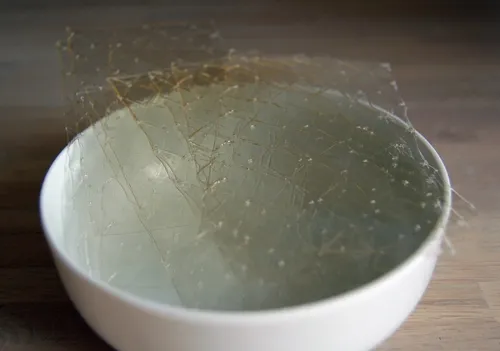
Collagen
Role: Essential for the structural integrity of gums and connective tissues that hold teeth in place. Supports strong, healthy gums resistant to inflammation and recession, reducing pockets where odor-causing bacteria thrive.
Supports tissue repair and strength.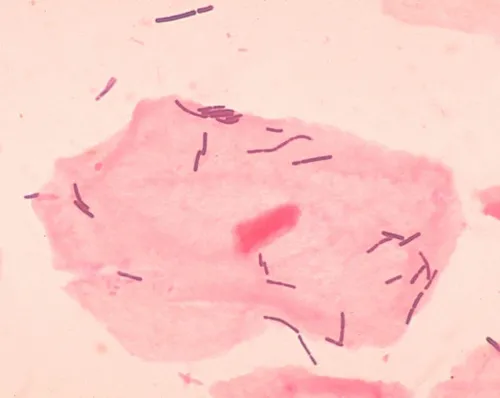
Probiotics (Lactobacillus reuteri, L. paracasei)
Role: Helps rebalance the oral microbiome by introducing beneficial bacteria. These 'good' bacteria compete with and suppress odor-producing strains, reducing volatile sulfur compounds and promoting a healthier, fresher mouth.
Supports bacterial balance.
Vitamin C
Role: A powerful antioxidant vital for collagen synthesis and immune function. It strengthens gum tissue, reduces inflammation, and protects against gum disease, which is a major contributor to bad breath.
Aids gum repair and immunity.
Vitamin D3
Role: Crucial for calcium and phosphate absorption, essential for strong teeth and jawbone density. It also possesses anti-inflammatory properties that support gum health and overall oral immunity.
Enhances calcium absorption.
Vitamin K2
Role: Works synergistically with Vitamin D3 to ensure calcium is directed to bones and teeth, preventing its accumulation in soft tissues. This helps maintain strong enamel and supports bone health around teeth.
Directs calcium to teeth.
Zinc
Role: A potent mineral with strong antimicrobial properties. Zinc directly inhibits the growth of odor-producing bacteria and neutralizes volatile sulfur compounds (VSCs), making it a key player in fresh breath.
Neutralizes odors, fights bacteria.
MSM (Methylsulfonylmethane)
Role: Often included for its anti-inflammatory and pain-relieving properties. It can help reduce gum inflammation and discomfort, contributing to overall gum health and a more comfortable oral environment.
Reduces inflammation.
Phosphorus & Calcium
Role: These two minerals are the primary building blocks of tooth enamel and bone. Adequate levels are critical for maintaining strong, healthy teeth that are resistant to decay and erosion, which can contribute to bad breath.
Builds strong enamel.
Potassium
Role: Helps maintain the pH balance in the mouth. A balanced pH discourages the growth of harmful, acid-producing bacteria that contribute to enamel erosion and bad breath.
Maintains pH balance.
Spearmint & Peppermint
Role: Natural breath fresheners that provide an immediate burst of freshness. They also possess mild antimicrobial properties that can help reduce oral bacteria temporarily.
Natural breath fresheners.
Xylitol
Role: A natural sweetener that not only tastes good but actively inhibits the growth of Streptococcus mutans, the primary bacteria responsible for cavities and a major contributor to bad breath.
Fights cavity bacteria.
Elderberry
Role: Known for its immune-boosting and anti-inflammatory properties. Supports overall oral health by strengthening the body's defenses against infections that can lead to bad breath.
Immune support.
Licorice Root
Role: Contains compounds that have been shown to help fight cavity-causing bacteria and reduce plaque formation, contributing to a healthier oral environment and fresher breath.
Fights cavity-causing bacteria.
Neem
Role: A powerful antiseptic and antibacterial agent widely used in traditional medicine for oral health. It helps to reduce harmful bacteria in the mouth, combating plaque and bad breath.
Natural antiseptic.
Reclaim Your Confidence with DentiTox Pro – The Natural Solution for Lasting Fresh Breath
DentiTox Pro is a revolutionary dental health formula designed to support your teeth and gums, helping to eliminate bad breath at its source. Formulated with a blend of powerful natural ingredients, it’s your step towards a healthier, fresher mouth and renewed confidence.
- Supports gum health and reduces inflammation naturally.
- Strengthens tooth enamel and helps prevent decay.
- Fights odor-causing bacteria with natural antimicrobials.
- Promotes a balanced, healthy oral microbiome.
- Easy-to-use liquid drops for quick absorption and effectiveness.


Hear From Our Satisfied Customers
"My breath used to be a huge insecurity, affecting my confidence in social situations. After trying DentiTox Pro for just a few weeks, I noticed a dramatic difference. My mouth feels consistently cleaner and fresher, and the bad breath is finally gone! I can now talk to people without constantly worrying or feeling self-conscious. This product has truly been a game-changer for me."
"I was skeptical at first, having tried so many products for my chronic bad breath, but DentiTox Pro really works. Not only has my breath improved significantly, but my dentist even commented on the noticeable improvement in my gum health during my last check-up. It's become an essential staple in my daily oral hygiene routine, and I wouldn't go a day without it now."
"Dealing with persistent bad breath and sensitive, bleeding gums was a nightmare. This product, combined with my improved brushing and flossing habits, has been an absolute game-changer. My mouth feels so much healthier, my gums are less inflamed, and my breath is consistently fresh. I finally feel confident smiling and speaking close to people again. Highly recommend for anyone struggling with similar issues."
Frequently Asked Questions
What is the primary cause of bad breath (halitosis)?
+The most common cause of bad breath is the accumulation of odor-producing bacteria in the mouth, often due to poor oral hygiene. These bacteria thrive on food particles and plaque, releasing volatile sulfur compounds that create an unpleasant smell. Underlying issues like gum disease and tooth decay are significant contributors.
Can diet really affect my breath?
+Absolutely. Foods like garlic, onions, and strong spices contain compounds that can enter your bloodstream and be expelled through your lungs, causing temporary bad breath. Sugary foods also contribute by feeding odor-producing bacteria in your mouth. Conversely, a diet rich in fibrous fruits, vegetables, and probiotics can help maintain fresh breath.
How do gum disease and tooth decay contribute to bad breath?
+Gum disease (gingivitis and periodontitis) creates pockets where bacteria can accumulate and produce foul-smelling compounds. Tooth decay and cavities provide sheltered areas for food particles to decompose and bacteria to multiply, leading to persistent bad breath. Addressing these medical conditions is crucial for long-term fresh breath.
Are natural remedies truly effective for halitosis?
+Yes, many natural remedies are highly effective, especially when combined with excellent oral hygiene. Practices like tongue scraping, oil pulling, staying hydrated, and using herbal rinses can significantly reduce odor-causing bacteria and promote a healthier oral environment. They focus on addressing the root causes rather than just masking the smell.
How does DentiTox Pro help with bad breath?
+DentiTox Pro is formulated with a blend of natural ingredients, including vitamins, minerals, and plant extracts, that work synergistically to support overall oral health. It aims to reduce odor-causing bacteria, strengthen teeth and gums, and promote a balanced oral microbiome, thereby addressing the underlying causes of halitosis.
When should I see a dentist for my bad breath?
+If your bad breath persists despite consistent oral hygiene practices and natural remedies, it's essential to consult a dentist. They can diagnose and treat underlying dental issues like gum disease, cavities, or infections. If no oral cause is found, they may refer you to a physician to rule out systemic medical conditions.
Related Articles