Are Your Teeth Getting the Essential Minerals They Need for Optimal Strength?
Our teeth are incredibly resilient, designed to withstand a lifetime of chewing and biting. Yet, beneath their tough exterior lies a delicate balance of minerals constantly at play. The outermost layer, tooth enamel, is the hardest substance in the human body, primarily composed of microscopic crystals made from calcium and phosphate.
This protective shield is your first line of defense against the daily assault of acids, bacteria, and wear. Understanding the critical role of calcium and phosphate in maintaining and rebuilding this enamel is not just an academic exercise; it's the foundation for preventing common dental woes like gum disease and tooth decay, ensuring a stronger, healthier smile for years to come.

The Indispensable Role of Tooth Enamel: Your Body's Natural Armor
Before delving into specific minerals, it's vital to appreciate the marvel that is tooth enamel. This translucent, hard outer layer of your teeth is more than just cosmetic; it's a biological shield.
Enamel protects the sensitive inner layers of your teeth – the dentin and pulp – from extreme temperatures, chemical exposure (acids from food and bacteria), and physical forces of chewing. When enamel is compromised, whether through erosion or decay, it opens the door to sensitivity, pain, and eventually, more severe dental problems like cavities, infections, and even tooth loss. Unlike bone, enamel cannot regenerate itself once severely damaged, making its preservation and strengthening through remineralization paramount.
Calcium and Phosphate: The Dynamic Duo of Dental Health
At the heart of enamel's incredible strength are two minerals: calcium and phosphate. These aren't just any minerals; they are the fundamental building blocks of hydroxyapatite, the crystalline mineral structure that constitutes about 97% of your tooth enamel. Imagine your enamel as a meticulously constructed wall, where calcium and phosphate are the bricks that give it unparalleled durability.
Calcium is widely recognized for its importance in bone health, but its role in dental health is equally critical. It's the primary structural component of hydroxyapatite. Without sufficient calcium, the enamel matrix cannot form properly, leading to weaker, more porous teeth that are highly susceptible to damage. The body constantly draws on calcium reserves for various functions, making a consistent intake essential for dental health.
Phosphate, often overlooked in favor of its more famous partner, is just as crucial. It combines with calcium to create the stable hydroxyapatite crystals. Phosphate also plays a significant role in buffering acids in the mouth, helping to neutralize the acidic environment that contributes to enamel erosion. This buffering action is a natural defense mechanism, preventing the rapid demineralization of your teeth. Together, calcium and phosphate work synergistically to build and maintain the integrity of your enamel.
💡 Key Takeaway
Calcium and phosphate are the essential mineral components of tooth enamel, forming the robust hydroxyapatite crystals that provide strength and protection. Their constant availability is crucial for both enamel formation and the ongoing repair process of remineralization, safeguarding teeth against decay.
The Dance of Demineralization and Remineralization
Your oral cavity is a dynamic environment where your tooth enamel is constantly undergoing two opposing processes: demineralization and remineralization. Understanding this delicate balance is key to preventing tooth decay and maintaining strong teeth.
Demineralization occurs when acids in your mouth attack the enamel. These acids are primarily produced by bacteria that feed on sugars and starches from your diet. When the oral environment becomes acidic (pH drops below 5.5), calcium and phosphate ions begin to leach out of the enamel, weakening its structure. This process is like tiny cracks forming in our protective wall, making it vulnerable.
Fortunately, your body has a natural repair mechanism: remineralization. Your saliva is rich in calcium and phosphate ions, along with other beneficial compounds. When the pH in your mouth returns to a neutral level, these minerals are redeposited onto the enamel surface, repairing the microscopic damage caused by demineralization. This process effectively rebuilds and strengthens the enamel, patching up those tiny cracks before they become significant cavities.
For optimal dental health, the goal is to favor remineralization over demineralization. A diet low in sugars and acids, good oral hygiene practices, and sufficient availability of calcium and phosphate are critical factors in tipping this balance towards stronger, healthier enamel. Regular professional cleanings and check-ups also play a crucial role in monitoring this balance and intervening when necessary. For more insights on maintaining oral health, you might find our article on oral health drops vs. toothpaste insightful.
Beyond Calcium and Phosphate: Other Essential Nutrients for Enamel Strength
While calcium and phosphate are the stars of enamel remineralization, they don't work in isolation. A symphony of other vitamins and minerals supports their function and overall oral health, creating a robust defense system against gum disease and tooth decay.
Vitamin D3: The Calcium Gatekeeper
Vitamin D3 is absolutely critical for calcium absorption in the gut. Without adequate D3, even if you consume enough calcium, your body won't effectively utilize it for bone or tooth health. It also plays a role in regulating phosphate levels, ensuring both minerals are available for remineralization.
Vitamin K2: Directing Mineral Traffic
Vitamin K2 works in tandem with Vitamin D3, directing calcium to where it's needed most – your bones and teeth – and away from soft tissues like arteries. It activates proteins like osteocalcin, which integrates calcium into the tooth structure, further enhancing enamel strength and preventing ectopic calcification.
Zinc: A Powerful Enamel Protector
Zinc is an essential trace mineral that contributes to enamel health in several ways. It inhibits bacterial growth in the mouth, reducing acid production, and can also be incorporated into the enamel structure, making it more resistant to acid erosion. Its anti-inflammatory properties further support gum health, crucial for preventing gum disease.
Collagen: The Foundation of Healthy Gums
While not directly part of enamel, collagen is the primary protein in your gums, ligaments, and the underlying dentin. Healthy gums are fundamental for supporting strong teeth. Collagen helps maintain gum integrity, keeping them firm and preventing gum recession, which exposes tooth roots to decay.
Vitamin C: Gum Health and Tissue Repair
Vitamin C is vital for collagen synthesis, making it indispensable for healthy gums. A deficiency can lead to bleeding gums, inflammation, and even scurvy, severely compromising the support structure for your teeth. Strong gums are a prerequisite for strong teeth, acting as a barrier against bacterial invasion.
Probiotics: Balancing the Oral Microbiome
A healthy balance of bacteria in your mouth is crucial. Oral probiotics introduce beneficial bacteria that can outcompete harmful, acid-producing strains. This helps maintain a neutral pH, reducing demineralization and supporting the natural remineralization process, thereby preventing both gum disease and tooth decay.

Dietary Sources and Lifestyle Factors for Mineral Needs
Achieving optimal calcium and phosphate levels for your teeth starts with your daily habits. What you eat and how you live profoundly impact your enamel's ability to stay strong and resist decay.
Food First: Your Dietary Arsenal for Enamel Strength
Prioritizing a nutrient-dense diet is the most natural and effective way to supply your body with the minerals it needs for oral health. Here's a breakdown:
- Calcium-Rich Foods: Dairy products (milk, yogurt, cheese) are excellent sources. For non-dairy options, consider fortified plant-based milks, dark leafy greens (kale, spinach), sardines, almonds, and fortified cereals.
- Phosphate-Rich Foods: Found abundantly in protein-rich foods such as meat, poultry, fish, eggs, dairy, nuts, seeds, and legumes. Whole grains also contribute significant amounts of phosphate.
- Vitamin D3 Sources: Fatty fish (salmon, mackerel, tuna), fortified dairy products, orange juice, and cereals. Sunlight exposure is also a powerful natural source, as your skin synthesizes D3 when exposed to UV rays.
- Vitamin K2 Sources: Fermented foods like natto (a Japanese soybean dish), certain cheeses, egg yolks, and organ meats.
- Zinc Sources: Red meat, poultry, beans, nuts, certain seafood (oysters), and whole grains.
- Vitamin C Sources: Citrus fruits, berries, bell peppers, broccoli, and leafy greens.
Incorporating a variety of these foods into your daily meals ensures a steady supply of the essential nutrients your teeth and gums need to thrive.
💡 Key Takeaway
A balanced diet rich in calcium, phosphate, and supporting vitamins (D3, K2, C) and minerals (zinc) is the cornerstone of strong enamel and healthy gums. Prioritize whole, unprocessed foods to provide your body with the natural building blocks for robust oral health.
Lifestyle Habits: Protecting Your Enamel Day-to-Day
Beyond diet, several lifestyle factors significantly influence the demineralization-remineralization balance:
- Limit Sugary and Acidic Foods/Drinks: Sugars feed harmful bacteria, leading to acid production, while acidic foods directly erode enamel. Reduce consumption of sodas, fruit juices, candies, and highly processed snacks.
- Maintain Excellent Oral Hygiene: Brushing twice daily with fluoride toothpaste and flossing once a day removes plaque and food particles, reducing bacterial load and acid production. Fluoride also directly aids remineralization.
- Stay Hydrated: Drinking plenty of water helps wash away food debris and neutralize acids in the mouth, supporting saliva production which is crucial for remineralization.
- Avoid Smoking and Excessive Alcohol: Both can severely compromise oral health, leading to dry mouth, gum disease, and increased risk of decay.
- Regular Dental Check-ups: Professional cleanings remove stubborn plaque and tartar, and your dentist can identify early signs of demineralization or decay, offering timely interventions.
By combining a nutritious diet with diligent oral care and healthy lifestyle choices, you create an environment where your teeth are optimally equipped to remineralize and resist the challenges of daily life. This proactive approach is your best defense against gum disease and tooth decay.
The Connection: Enamel Strength, Gum Disease, and Tooth Decay
It’s crucial to understand that weakened enamel, gum disease, and tooth decay are often interconnected. One can exacerbate the other, creating a vicious cycle that compromises overall oral health.
Weakened Enamel & Decay
When enamel is consistently demineralized without adequate remineralization, it becomes porous and brittle. This creates microscopic pathways for bacteria to penetrate the tooth, leading to the formation of cavities (tooth decay). Once a cavity forms, it requires professional intervention as the tooth's natural repair mechanisms are overwhelmed.
Gum Disease's Impact
Gum disease (gingivitis and periodontitis) is an inflammatory condition affecting the tissues surrounding your teeth. While primarily affecting gums, severe periodontitis can lead to gum recession, exposing the softer root surfaces of teeth. These roots lack the protective enamel layer, making them highly vulnerable to decay and sensitivity, even with good mineral intake.
Systemic Linkages
Chronic inflammation from gum disease can also have systemic effects, potentially impacting overall health. Similarly, systemic conditions like diabetes can influence oral health, affecting saliva production and the body's ability to fight infection, thereby increasing the risk of both decay and gum disease. Maintaining mineral balance helps fortify local defenses.
The Role of Supplements
For individuals struggling with consistent mineral intake or specific dental challenges, dietary supplements can offer targeted support. Products designed to deliver essential minerals and vitamins can help bridge nutritional gaps, promoting a healthier oral environment and enhancing the body's natural defenses against dental issues. For more on this, explore our article on liquid supplements for tooth decay prevention.
DentiTox Pro: A Modern Approach to Mineral Support for Enamel & Gums
While diet and hygiene are paramount, supplementing with targeted nutrients can offer additional support for enamel strength and gum health. DentiTox Pro is designed to deliver a blend of ingredients that work synergistically to support the body's natural processes for oral wellness.

Calcium
Role: Fundamental building block of tooth enamel, crucial for remineralization and maintaining bone density in the jaw.
Daily Value %
Phosphorus (Phosphate)
Role: Works with calcium to form hydroxyapatite, the primary mineral of enamel. Essential for acid buffering in saliva.
Daily Value %
Vitamin D3
Role: Essential for calcium absorption in the gut and regulating phosphate levels, ensuring minerals are available for enamel remineralization.
600-1000 IU
Vitamin K2
Role: Directs calcium to bones and teeth, activating proteins that integrate calcium into enamel and prevent calcification in soft tissues.
90-120 mcg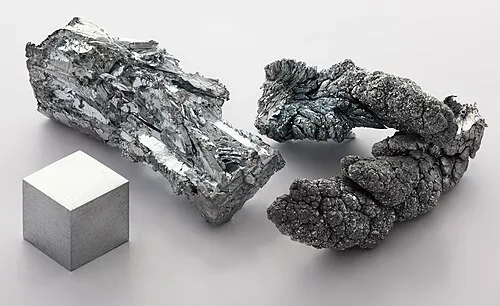
Zinc
Role: Inhibits bacterial growth, reduces acid production, and strengthens enamel against erosion. Supports immune function in the gums.
8-11 mg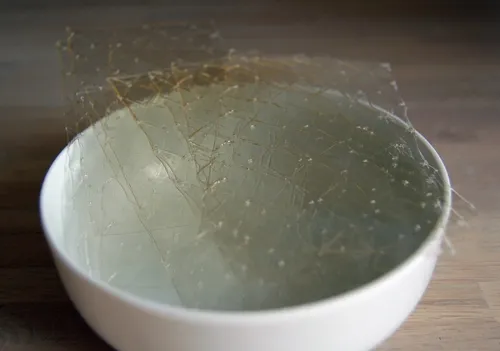
Collagen
Role: Supports the structural integrity of gums, ligaments, and connective tissues, crucial for holding teeth firmly in place and preventing gum recession.
Variable
Vitamin C
Role: Vital for collagen synthesis, which is essential for healthy, strong gums. Powerful antioxidant that reduces inflammation and aids tissue repair.
65-90 mg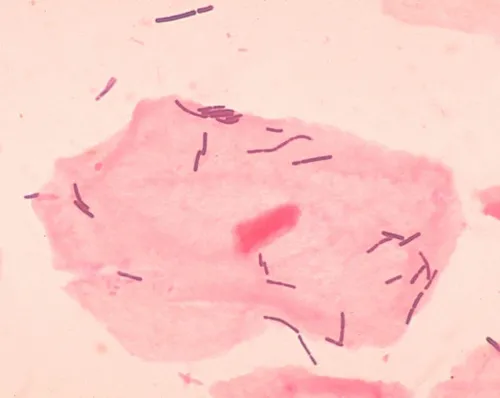
Probiotics
Role: Promotes a balanced oral microbiome by introducing beneficial bacteria, which helps reduce harmful acid-producing strains and supports a healthy oral environment.
Various strains, billions CFUBy combining these ingredients, DentiTox Pro aims to provide comprehensive support for your oral health, focusing on the foundational needs of your enamel and gums. It's designed to be an easy-to-use liquid supplement, making it a convenient addition to your daily routine for those seeking to enhance their mineral intake for dental wellness.

Ready to Fortify Your Smile? Experience the DentiTox Pro Difference.
Don't let weakened enamel or gum issues hold you back. DentiTox Pro offers a unique blend of natural ingredients designed to support your oral health from within, focusing on the crucial mineral balance your teeth and gums need.
- Supports natural enamel remineralization
- Promotes healthy, strong gums
- Formulated with essential vitamins and minerals
- Helps combat tooth decay and gum disease
- Easy-to-use liquid drops for daily convenience


What Our Customers Are Saying
"I've struggled with sensitive teeth for years, and my dentist always mentioned weak enamel. Since starting DentiTox Pro, I've noticed a significant reduction in sensitivity and my gums feel healthier. It's a game-changer!"
"As someone prone to cavities, I was looking for something to give my teeth extra protection. DentiTox Pro, combined with my regular routine, seems to be doing the trick. My last check-up was cavity-free for the first time in years!"
"My gums used to bleed regularly, which was a huge concern. After a few weeks of using DentiTox Pro, I've seen a dramatic improvement. They feel much firmer and healthier. I highly recommend it for gum health!"
Frequently Asked Questions
Why are calcium and phosphate so important for tooth enamel?
+Calcium and phosphate are the primary mineral building blocks of hydroxyapatite, the crystalline structure that forms tooth enamel. They are crucial for both the initial formation of strong enamel and the ongoing process of remineralization, which repairs microscopic damage and protects against acid erosion and decay.
How do diet and lifestyle affect enamel strength?
+A diet rich in calcium, phosphate, and vitamins D and K2 is essential for providing the body with the necessary minerals for enamel health. Conversely, diets high in sugar and acidic foods promote demineralization. Poor oral hygiene, smoking, and certain medical conditions can also negatively impact enamel and overall oral health.
What is remineralization and why is it vital?
+Remineralization is the natural process where minerals like calcium and phosphate from saliva are redeposited onto the tooth surface, repairing minor enamel damage caused by acid attacks. It's vital because it helps reverse early stages of tooth decay, strengthens enamel, and maintains the integrity of your teeth against daily wear and tear. Without effective remineralization, demineralization can lead to cavities.
Can supplements truly help strengthen tooth enamel?
+While a balanced diet is foundational, supplements can play a supportive role, especially if dietary intake is insufficient or specific needs arise. Supplements like DentiTox Pro, which contain key minerals and vitamins such as calcium, phosphate, vitamin D3, K2, and zinc, can provide additional support for enamel remineralization and overall gum health. Always consult a healthcare professional before starting any new supplement.
How does DentiTox Pro address mineral needs for oral health?
+DentiTox Pro is formulated to provide a blend of ingredients that support oral health, including essential minerals like calcium, phosphorus, and zinc, alongside vitamins D3, K2, and C, and other beneficial components like collagen and probiotics. These ingredients work synergistically to support the remineralization of enamel, reduce inflammation, and promote a healthy oral microbiome, addressing factors contributing to gum disease and tooth decay.
What are the first signs of weakened enamel or demineralization?
+Early signs of weakened enamel can include increased tooth sensitivity to hot, cold, or sweet foods, slight discoloration (often a dull, chalky white spot), and the appearance of small chips or cracks. As demineralization progresses, teeth may become more transparent at the edges, and pits or grooves may form on the surface. Addressing these signs early is crucial to prevent further damage and potential cavities.
Related Articles