Is Your Diet Secretly Damaging or Protecting Your Smile?
Many people focus intensely on brushing and flossing, believing these are the sole pillars of oral hygiene. While essential, the foundation of a truly healthy mouth starts with what you eat. Your diet plays a pivotal role in strengthening tooth enamel, nourishing gum tissues, and balancing the oral microbiome, directly impacting your susceptibility to common dental problems like gum disease and tooth decay.
Understanding the direct link between nutrition and oral health is the first step towards a brighter, healthier smile. By incorporating specific nutrient-rich foods into your daily regimen, you can actively protect your teeth and gums from the inside out, offering a natural defense against potential issues and fostering long-term dental wellness.

The Foundation: How Your Daily Diet Impacts Oral Health
The food and drinks you consume directly affect the health of your teeth and gums. It's not just about avoiding sugar; it's about providing your body with the essential building blocks for strong oral structures and a balanced oral environment.
Our mouths are complex ecosystems, home to billions of bacteria. Some are beneficial, aiding digestion and protecting against pathogens, while others, particularly those that thrive on sugar, can be highly detrimental. When we consume sugary or starchy foods, these harmful bacteria rapidly multiply, producing acids that attack tooth enamel. This process, known as demineralization, is the precursor to tooth decay and cavities. Over time, if left unchecked, these bacteria can also lead to the formation of plaque and tartar, irritating the gums and causing inflammation, a condition known as gingivitis, the earliest stage of gum disease.
Beyond the direct impact of sugars and acids, the nutritional content of your diet influences the strength of your tooth enamel, the integrity of your gum tissues, and your body's ability to fight off oral infections. A diet rich in vitamins, minerals, and antioxidants provides the necessary support for strong bones (including your jawbone), healthy connective tissues in your gums, and a robust immune system that can defend against bacterial invaders. Conversely, a diet lacking these vital nutrients can leave your mouth vulnerable, making it harder for your body to repair minor damage and resist the progression of oral diseases.
Furthermore, the physical act of chewing certain foods can also play a role. Crunchy, fibrous fruits and vegetables act as natural toothbrushes, helping to scrub away food particles and stimulate saliva production. Saliva is a natural defense mechanism, washing away food debris, neutralizing acids, and delivering minerals back to the tooth surface to help remineralize enamel. Understanding these intricate connections empowers us to make informed dietary choices that actively promote a lifetime of optimal oral health, reducing the risk of conditions like gum disease and tooth decay.
💡 Key Takeaway
Your diet is a primary determinant of oral health, influencing everything from enamel strength to gum integrity and the balance of your oral microbiome. Eating nutrient-rich foods and limiting harmful ones is crucial for preventing tooth decay and gum disease.
Essential Nutrients for a Resilient Mouth
To truly protect your teeth and gums, your diet must supply a consistent intake of specific vitamins and minerals. These nutrients work synergistically to build strong structures, repair daily wear and tear, and bolster your body's defenses against oral pathogens.
Calcium & Phosphorus: The Building Blocks
These two minerals are fundamental for strong bones and teeth. Calcium is the primary component of tooth enamel and jawbone, while phosphorus works with calcium to build and maintain these structures. Adequate intake is crucial for preventing demineralization and supporting enamel repair. Dairy products, leafy greens, and nuts are excellent sources.
Vitamin D: Calcium's Best Friend
Vitamin D plays a critical role in calcium absorption, making it indispensable for strong teeth and bones. Without sufficient Vitamin D, your body cannot effectively utilize the calcium you consume, regardless of how much you eat. Sunlight exposure, fatty fish, and fortified foods are key sources for this vital nutrient.
Vitamin C: For Healthy Gums
Vitamin C is a powerful antioxidant essential for collagen production, a protein vital for healthy gum tissue and connective tissue throughout the body. A deficiency can lead to bleeding gums, inflammation, and even tooth loss. Citrus fruits, berries, bell peppers, and broccoli are packed with Vitamin C.
Vitamin K2: Directing Calcium
Often overlooked, Vitamin K2 helps direct calcium to your bones and teeth, preventing its accumulation in soft tissues like arteries. This ensures calcium is deposited where it's needed most for oral health. Fermented foods like natto, certain cheeses, and grass-fed butter are good sources.
Antioxidants: Fighting Inflammation
Vitamins A and E, along with other antioxidants found in fruits and vegetables, help protect gum tissue from cellular damage and inflammation caused by bacteria. They bolster the immune system's response to oral infections, reducing the risk and severity of gum disease. Colorful produce is your best bet for these protective compounds.
Probiotics: Balancing the Oral Microbiome
Just like your gut, your mouth has a microbiome. Introducing beneficial bacteria through probiotic-rich foods can help crowd out harmful bacteria, reducing the risk of cavities and gum disease. Yogurt, kefir, and fermented vegetables can contribute to a healthier oral environment.

DentiTox Pro's natural formula.
Top Foods That Actively Protect Your Teeth and Gums
Now that we understand the key nutrients, let's explore the specific foods you should incorporate into your diet to build and maintain a strong, healthy smile. These foods not only deliver essential nutrients but also often help cleanse your mouth naturally.
Crunchy Fruits & Vegetables
Apples, carrots, and celery are nature's toothbrushes. Their fibrous texture helps scrub away food particles and plaque from tooth surfaces, while their chewing action stimulates saliva flow. Increased saliva helps neutralize acids and remineralize enamel, providing a natural defense against tooth decay.
Leafy Greens
Spinach, kale, and other leafy greens are packed with vitamins and minerals like calcium, folic acid, and iron. These nutrients are vital for strong tooth enamel and healthy gum tissue. Their high fiber content also contributes to natural oral cleansing.
Dairy Products
Milk, cheese, and plain yogurt are excellent sources of calcium and phosphates, which help strengthen tooth enamel and bones. Cheese, in particular, has been shown to neutralize acids in the mouth, reducing the risk of cavities. Opt for unsweetened varieties to avoid added sugars.
Fatty Fish
Salmon, mackerel, and other fatty fish are rich in Omega-3 fatty acids and Vitamin D. Omega-3s have anti-inflammatory properties that can help reduce gum inflammation, while Vitamin D is crucial for absorbing calcium, which strengthens teeth and bones.
Nuts & Seeds
Almonds, walnuts, cashews, and sesame seeds are great sources of calcium and phosphorus, essential minerals for teeth. They also provide healthy fats and protein. Chewing nuts can help stimulate saliva, aiding in the natural cleansing process of the mouth.
Green Tea
Green tea contains compounds called catechins, which have powerful antioxidant and anti-inflammatory properties. Studies suggest that catechins can help suppress the growth of bacteria that cause plaque and bad breath, contributing to healthier gums and teeth.
Water
Often overlooked, water is perhaps the most important beverage for oral health. It continually rinses away food particles and bacteria, helps neutralize acids, and maintains adequate saliva production. Fluoridated water also helps remineralize tooth enamel and prevent cavities.
Fermented Foods
Foods like unsweetened yogurt, kefir, and sauerkraut contain beneficial probiotics. These good bacteria can help balance the oral microbiome, reducing the population of harmful bacteria that contribute to cavities and gum disease. This can offer a natural defense against issues like sensitive teeth and enamel erosion.
💡 Key Takeaway
Prioritize crunchy fruits and vegetables, leafy greens, dairy, fatty fish, nuts, green tea, and plenty of water. These foods provide essential nutrients, stimulate saliva, and help cleanse your mouth, offering comprehensive protection against oral health issues.
Foods to Limit or Avoid for Optimal Oral Health
Just as certain foods protect your teeth, others can significantly contribute to their damage. Understanding what to limit or avoid is equally important in maintaining excellent oral health and preventing conditions like gum disease and tooth decay.
The primary culprits are foods and drinks high in sugar and acids. Sugar feeds the harmful bacteria in your mouth, leading to acid production that erodes enamel. Acidic foods and beverages directly attack enamel, weakening it and making teeth more susceptible to decay. This combination creates a hostile environment for your oral health.
- Sugary Drinks: Sodas, fruit juices (even 100% natural ones due to natural sugars and acidity), sports drinks, and sweetened teas are major contributors to tooth decay. They bathe your teeth in sugar and acid, creating a perfect breeding ground for cavity-causing bacteria.
- Sticky Candies & Sweets: Caramels, gummies, lollipops, and even dried fruits can cling to your teeth for extended periods, providing a prolonged feast for bacteria. This prolonged exposure to sugar and acid increases the risk of cavities significantly.
- Refined Carbohydrates: Foods like white bread, crackers, chips, and pastries break down into simple sugars in your mouth. Similar to direct sugar consumption, these provide fuel for harmful oral bacteria, contributing to plaque buildup and acid attacks.
- Acidic Foods: While some acidic fruits like citrus can be beneficial for their Vitamin C content, excessive consumption or prolonged exposure can erode enamel. Pickles, vinegar, and highly acidic sauces can also contribute to enamel wear. It's best to consume these in moderation and rinse your mouth with water afterward.
- Alcohol: Excessive alcohol consumption can lead to dry mouth, a condition where saliva production is reduced. Saliva is crucial for washing away food particles and neutralizing acids, so a dry mouth significantly increases the risk of tooth decay and gum disease.
It's important to remember that it's not just about what you eat, but also how often. Frequent snacking on sugary or acidic foods keeps your teeth under constant attack, as your saliva doesn't have enough time to neutralize the acids and remineralize enamel. If you do consume these foods, try to do so with meals, and rinse your mouth with water or brush your teeth shortly after.
The Role of Saliva and Hydration in Oral Protection
Beyond specific foods, the simple act of staying hydrated and maintaining healthy saliva flow is a cornerstone of oral defense. Saliva is a powerful, natural protector against tooth decay and gum disease, and its importance cannot be overstated.
Saliva acts as your mouth's natural rinsing system. It continuously washes away food particles, bacteria, and acids that can damage teeth and gums. But its benefits extend far beyond mere cleansing. Saliva contains essential minerals like calcium and phosphate, which help remineralize tooth enamel, reversing the early stages of acid erosion and strengthening teeth against future attacks. It also contains enzymes and antimicrobial compounds that help control bacterial growth and maintain a balanced oral microbiome.
When saliva flow is reduced, a condition known as dry mouth (xerostomia), your oral health becomes highly vulnerable. Without sufficient saliva, food particles linger, acids are not neutralized, and bacteria can proliferate unchecked. This significantly increases the risk of cavities, gum disease, and bad breath. Dry mouth can be caused by various factors, including certain medications, medical conditions, and dehydration.
This is where hydration becomes paramount. Drinking plenty of water throughout the day is the simplest and most effective way to ensure adequate saliva production and keep your mouth healthy. Water helps:
- Rinse Away Debris: Mechanically washes away food bits and loose bacteria.
- Neutralize Acids: Helps dilute and neutralize harmful acids produced by oral bacteria.
- Promote Saliva Flow: Keeps your salivary glands functioning optimally.
- Prevent Dry Mouth: Counteracts the effects of dehydration, which can lead to reduced saliva.
- Deliver Fluoride: If you drink fluoridated water, it continuously bathes your teeth in this enamel-strengthening mineral.
Making water your primary beverage choice is one of the easiest and most impactful dietary changes you can make for your oral health. It supports your body's natural defenses and complements the benefits of a nutrient-rich diet, forming a protective shield for your teeth and gums.
💡 Key Takeaway
Saliva is your mouth's crucial natural defense, rinsing debris, neutralizing acids, and remineralizing enamel. Staying well-hydrated, primarily with water, is essential for maintaining optimal saliva flow and preventing dry mouth, thereby protecting against decay and gum disease.
Beyond Diet: Complementary Lifestyle Factors for a Healthy Mouth
While diet is a cornerstone of oral health, it's part of a broader holistic approach. Combining smart dietary choices with other positive lifestyle habits creates a powerful defense against gum disease and tooth decay, ensuring your smile remains vibrant and healthy for years to come.
1. Consistent Oral Hygiene Practices: No matter how perfect your diet, proper brushing and flossing remain non-negotiable.
- Brushing: Brush at least twice a day for two minutes with a fluoride toothpaste. This physically removes plaque and food particles before they can cause damage.
- Flossing: Floss daily to remove plaque and food trapped between teeth and under the gumline, areas your toothbrush can't reach. This is critical for preventing gum disease. For a deeper understanding of how different oral care methods compare, you might find our article on oral health drops vs. toothpaste insightful.
2. Regular Dental Check-ups: Visiting your dentist for professional cleanings and check-ups every six months is vital. Dentists can remove hardened plaque (tartar) that brushing and flossing can't, spot early signs of decay or gum disease, and offer personalized advice on maintaining your oral health.
3. Avoid Tobacco Products: Smoking and chewing tobacco are among the most significant risk factors for gum disease, oral cancer, and other oral health problems. They reduce blood flow to the gums, impair the immune system, and hinder the mouth's ability to heal. Quitting tobacco is one of the best things you can do for your overall and oral health.
4. Manage Stress: Chronic stress can weaken your immune system, making you more susceptible to infections, including gum disease. Stress can also lead to habits like teeth grinding or clenching, which can damage teeth and jaw joints.
5. Consider Supplementary Support: Even with the best diet, sometimes our bodies need an extra boost to address specific nutritional gaps or to provide targeted support for oral health. This is where a carefully formulated supplement like DentiTox Pro can play a role. Designed with natural ingredients known to support gum health, strengthen teeth, and balance the oral microbiome, DentiTox Pro can act as a complementary tool in your comprehensive oral care regimen. It's an additional layer of protection, working in harmony with your healthy diet and hygiene practices to fortify your mouth from within.
By integrating these lifestyle factors with a nutrient-rich diet, you create a holistic strategy for optimal oral health, significantly reducing your risk of common issues and contributing to your overall well-being.
DentiTox Pro: A Natural Boost for Your Oral Health Journey
While diet and hygiene form the bedrock of oral health, modern lifestyles and dietary deficiencies can sometimes leave gaps. DentiTox Pro offers a supportive solution, bringing together a blend of natural ingredients specifically chosen for their potential to complement your oral health efforts.

Vitamin C
Role: Essential for collagen formation, which is crucial for strong, healthy gum tissue and overall gum integrity. It also acts as an antioxidant, protecting against inflammation and supporting immune function in the mouth.
Supports daily immune and gum health
Vitamin D
Role: Plays a vital role in the absorption and metabolism of calcium and phosphorus, two minerals critical for strengthening tooth enamel and maintaining bone density in the jaw. Supports overall tooth structure.
Enhances calcium absorption for teeth
Vitamin K2
Role: Works synergistically with Vitamin D to ensure calcium is directed to the bones and teeth, rather than accumulating in soft tissues. This helps reinforce enamel and maintain strong dental structures.
Guides calcium to teeth and bones
Zinc
Role: An essential trace mineral with significant antimicrobial properties. Zinc helps inhibit the growth of bacteria that cause plaque and bad breath, contributing to a healthier oral microbiome and reducing the risk of gum disease.
Supports bacterial balance in the mouth
Collagen
Role: A primary structural protein in connective tissues, including gums, ligaments, and bones. Supplementing with collagen can support the strength and elasticity of gum tissue, helping to maintain its integrity and attachment to teeth.
Maintains gum tissue strength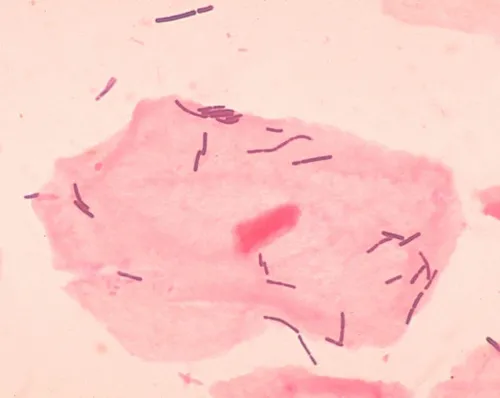
Probiotics
Role: Introducing beneficial bacterial strains can help rebalance the oral microbiome, crowding out pathogenic bacteria responsible for cavities, gum inflammation, and bad breath. Fosters a healthier, more protective oral environment.
Balances oral microbiome
Ready to Fortify Your Oral Health Naturally?
While a balanced diet is fundamental, sometimes our bodies need an extra boost to maintain optimal oral health. DentiTox Pro is designed to complement your healthy eating habits, delivering a concentrated blend of vitamins, minerals, and plant extracts known to support strong teeth, healthy gums, and a balanced oral microbiome. Take the proactive step towards a more resilient smile today and give your mouth the comprehensive support it deserves.
- Supports healthy teeth & gums
- Promotes strong enamel
- Balances oral microbiome
- All-natural ingredients
- Easy-to-use drops


What Our Customers Are Saying
"My gums used to bleed regularly, but after focusing on my diet and adding DentiTox Pro, I've seen a noticeable difference. My mouth feels cleaner and healthier than ever, and my dentist even commented on the improvement!"
"I was skeptical, but the changes in my oral health are undeniable. My teeth feel stronger, and I have less sensitivity to hot and cold. Combining a better diet with DentiTox Pro has been a game-changer!"
"As a busy professional, I needed an easy way to support my dental health. DentiTox Pro, combined with my dietary changes, has made a significant impact on my daily comfort and confidence. Highly recommend!"
Frequently Asked Questions
How quickly can diet impact my oral health?
+While consistency is key, you might start noticing improvements in gum health and reduced sensitivity within a few weeks of adopting a nutrient-rich diet. Long-term benefits, like stronger enamel and reduced cavity risk, develop over months.
Are there specific foods I should completely avoid?
+It's best to limit highly processed sugary foods, acidic beverages (sodas, excessive citrus), and sticky candies. Complete avoidance can be challenging, but moderation is crucial to protect your teeth and gums.
Can supplements like DentiTox Pro replace a healthy diet?
+No, DentiTox Pro is designed to supplement a healthy diet and good oral hygiene practices, not replace them. It provides concentrated nutrients that might be missing or insufficient in your daily intake, offering an extra layer of protection.
How does hydration affect my oral health?
+Staying well-hydrated, especially with water, is vital. Water helps rinse away food particles, neutralize acids, and maintain adequate saliva flow, which is crucial for remineralizing enamel and protecting against bacteria.
What are the best snacks for oral health?
+Opt for crunchy fruits and vegetables like apples, carrots, and celery. Cheese, plain yogurt, nuts, and seeds are also excellent choices as they stimulate saliva production and provide beneficial nutrients.
Is DentiTox Pro suitable for everyone?
+DentiTox Pro is formulated with natural ingredients and is generally well-tolerated. However, if you have any pre-existing medical conditions, are pregnant or nursing, or are taking other medications, it's always best to consult with your healthcare provider before starting any new supplement.
Related Articles


