Are Your Gums Receding? Discover the Stages, Causes, and Hope for Natural Recovery.
Gum recession is a common dental problem where the gum tissue surrounding the teeth pulls back or wears away, exposing more of the tooth or its root. This can lead to gaps between the teeth and gum line, making it easy for disease-causing bacteria to build up. If left untreated, it can cause severe damage to the supporting bone structure of your teeth, eventually leading to tooth loss.
Understanding the stages and causes of gum recession is the first step towards effective management and prevention. While some cases require professional dental intervention, many individuals can benefit significantly from natural treatment options and lifestyle adjustments to halt progression and promote healthier gums.

What is Gum Recession? A Closer Look at Your Gums
Gum recession refers to the process in which the margin of the gum tissue surrounding the teeth pulls back, or recedes, exposing more of the tooth, or the tooth's root. When this happens, "pockets" or gaps form between the teeth and gum line, making it easy for disease-causing bacteria to accumulate.
Beyond the aesthetic concerns of teeth looking "longer," gum recession can lead to serious health issues. The exposed tooth roots are more vulnerable to decay, sensitivity, and damage. If left untreated, the supporting tissue and bone structures of the teeth can be severely damaged, potentially resulting in tooth loss. It's a progressive condition, meaning it tends to worsen over time without intervention. Early detection and understanding of its causes are crucial for effective management and prevention.
💡 Key Takeaway
Gum recession is the gradual exposure of tooth roots due to receding gum tissue. It's a progressive condition often linked to gum disease, leading to sensitivity, decay, and potential tooth loss if not addressed early with proper care and treatment.
The Stages of Gum Recession: From Mild to Severe
Gum recession doesn't happen overnight; it's a gradual process that can be classified into different stages based on severity and the extent of tissue loss. Dentists often use the Miller Classification system or the Cairo Classification for more precise diagnosis, but for general understanding, we can outline the progression.
Stage 1: Early/Mild Recession (Gingivitis and Initial Recession) In the earliest stages, gum recession might barely be noticeable. You might experience minor gum disease symptoms like slight redness, swelling, or bleeding during brushing – classic signs of gingivitis. The gum line may have receded only slightly, often less than 1-2 millimeters, and is typically confined to the soft tissue above the mucogingival junction. Tooth roots are not significantly exposed, and there's no bone loss yet. Sensitivity might be occasional or non-existent. At this stage, intervention is highly effective, often involving improved oral hygiene and professional cleaning.
Stage 2: Moderate Recession (Early Periodontitis) As gum recession progresses, it often moves into the realm of early periodontitis. The gum tissue recedes further, exposing more of the tooth root. You might notice your teeth looking visibly longer, and sensitivity to hot, cold, or sweet foods becomes more frequent. Pockets between the teeth and gums deepen, providing more space for bacteria to thrive. There might be some initial bone loss around the affected teeth. Gums may appear redder, more inflamed, and bleed more easily. Bad breath can also become a persistent issue. This stage requires more targeted professional treatment, such as scaling and root planing, to remove plaque and tartar below the gum line.
Stage 3: Advanced Recession (Moderate to Advanced Periodontitis) This stage indicates significant gum recession and bone loss, characteristic of moderate to advanced periodontitis. A considerable portion of the tooth root is exposed, leading to severe tooth sensitivity and potential discomfort. The affected teeth may start to feel loose or shift, and gaps (black triangles) might appear between them. Chewing can become painful, and the risk of tooth decay on exposed roots increases dramatically. Inflammation and infection are often chronic, and the gums may appear very red, swollen, and bleed profusely. At this point, surgical interventions like gum grafts may be considered to cover exposed roots and prevent further damage.
Stage 4: Severe Recession (Extensive Periodontitis) In the most severe stage, gum recession is extensive, often affecting multiple teeth and involving significant bone and tissue loss around the entire tooth. Tooth roots are heavily exposed, leading to extreme sensitivity and a high risk of root decay. Teeth can become very loose, making chewing difficult, and tooth loss is a significant concern. The overall appearance of the smile is severely impacted. This stage often requires comprehensive dental treatment, which may include advanced periodontal surgeries, regenerative procedures, or even tooth extraction if the tooth cannot be saved. The goal at this stage is often to preserve remaining teeth and prevent the spread of infection.
Regardless of the stage, it's vital to consult a dentist as soon as you notice any signs of gum recession. Early intervention can make a significant difference in preserving your oral health and preventing more invasive treatments.
Key Causes of Gum Recession: Identifying the Root of the Problem
Gum recession isn't usually caused by a single factor, but rather a combination of genetic predispositions, lifestyle habits, and oral hygiene practices. Understanding these causes is crucial for prevention and effective treatment.
1. Periodontal Disease (Gum Disease): This is by far the most common cause. Bacterial infections in the gums, known as gingivitis and its more severe form, periodontitis, destroy gum tissue and the bone supporting your teeth. As the infection progresses, it leads to inflammation, breakdown of gum fibers, and eventually, the gums pulling away from the teeth. For more on this, you might find our article on gum disease stages helpful.
2. Aggressive Tooth Brushing: Brushing too hard or using a hard-bristled toothbrush can physically wear away gum tissue and tooth enamel over time. This mechanical trauma can gradually cause the gums to recede, especially if combined with improper brushing techniques.
3. Poor Oral Hygiene: Insufficient brushing and flossing allow plaque and tartar to build up on teeth and between gums. This plaque harbors bacteria that produce toxins, leading to gum inflammation (gingivitis) and eventually periodontal disease, which directly causes recession.
4. Genetics: Some individuals are genetically predisposed to thin gum tissue or a specific gum structure, making them more susceptible to gum recession regardless of their oral hygiene habits. If your parents experienced gum recession, you might have a higher risk.
5. Tobacco Products: Smoking and chewing tobacco significantly increase the risk of gum recession and periodontal disease. Tobacco use constricts blood vessels, reducing blood flow to the gums, impairing their ability to heal, and making them more vulnerable to bacterial infection.
6. Misaligned Teeth or Bite Problems: When teeth don't come together properly, some teeth may experience excessive force, leading to gum and bone destruction around those areas. Misaligned teeth can also make it harder to clean effectively, promoting plaque buildup.
7. Teeth Grinding and Clenching (Bruxism): Chronic grinding or clenching of teeth can put excessive force on the teeth and surrounding gum tissue, leading to gum recession over time. This stress can damage the periodontal ligament that holds teeth in place.
8. Hormonal Changes: Fluctuations in female hormone levels during puberty, pregnancy, and menopause can make gums more sensitive and vulnerable to gum disease and recession.
9. Oral Piercings: Jewelry in the lip or tongue can rub against the gum tissue, causing irritation and eventually leading to recession in the areas where the piercing makes contact.
10. Certain Medications: Some medications can cause dry mouth (xerostomia), which reduces saliva production. Saliva plays a crucial role in washing away food particles and neutralizing acids, so a lack of it can increase the risk of gum disease and recession.
Understanding these potential culprits empowers you to take proactive steps to protect your gums and prevent further recession.

Symptoms and Complications of Receding Gums
Recognizing the signs of gum recession early can significantly impact the success of treatment. Beyond the visible changes, several symptoms indicate that your gums might be receding. Ignoring these signs can lead to more severe complications.
Increased Tooth Sensitivity
One of the most common early symptoms is heightened sensitivity to hot, cold, or sweet foods and drinks. This occurs because the exposed tooth roots lack the protective enamel layer found on the crowns of your teeth, making the underlying dentin tubules vulnerable.
Teeth Appearing Longer
As gums recede, more of the tooth surface, including the root, becomes visible. This gives the impression that your teeth are "growing" longer, which is actually a visual indicator of gum tissue loss. You might notice this change when looking in the mirror.
Visible Tooth Roots
In more advanced stages, the roots of your teeth may become clearly visible. These areas are typically darker and appear slightly different in texture than the enamel-covered crown, making them easily identifiable upon close inspection.
Gaps Between Teeth
Receding gums can create larger spaces or "black triangles" between your teeth, particularly near the gum line. These gaps can trap food particles, making oral hygiene more challenging and increasing the risk of further decay and gum disease.
Changes in Tooth Color or Texture
Exposed roots are often softer than enamel and more prone to staining and wear. You might notice a change in the color or texture of the exposed root surface, which can also be a sign of early root decay.
Pain or Discomfort at the Gum Line
While gum recession itself might not always be painful, the exposed roots can be highly sensitive. Additionally, inflammation from underlying gum disease can cause tenderness, swelling, and bleeding, leading to general discomfort in the mouth.
Increased Risk of Tooth Decay
The cementum covering tooth roots is much softer than enamel, making exposed roots highly susceptible to cavities. This can lead to root decay, which is often more challenging to treat than cavities on the tooth crown.
Potential Tooth Loss
As gum recession and periodontal disease progress, the supporting bone structure around the teeth can be severely damaged. This can cause teeth to loosen, shift, and eventually fall out if the support is compromised beyond repair.
If you experience any of these symptoms, it's crucial to consult your dentist promptly. Early diagnosis and treatment can prevent further progression and protect your oral health.
Conventional and Natural Treatment Options for Gum Recession
Addressing gum recession requires a multi-faceted approach, combining professional dental care with consistent home remedies and lifestyle changes. The best treatment plan depends on the severity of the recession and its underlying causes.
Professional Dental Treatments
For moderate to severe gum recession, professional dental intervention is often necessary:
- Scaling and Root Planing: This deep cleaning procedure removes plaque and tartar from above and below the gum line, and smooths the root surfaces to prevent bacterial reattachment. It's crucial for treating underlying gum disease.
- Gum Graft Surgery: If significant gum tissue has been lost, a periodontist may perform a gum graft. This involves taking tissue from another part of your mouth (usually the roof) or using donor tissue, and attaching it to the receded area to cover exposed roots and prevent further loss.
- Regenerative Procedures: In cases of bone loss, procedures like guided tissue regeneration or bone grafting can help stimulate the regrowth of bone and gum tissue.
- Orthodontics: If misaligned teeth are a contributing factor, orthodontic treatment can help correct the bite and reduce undue stress on certain teeth.
Natural Treatment Options and Home Care
While professional treatments are vital for advanced cases, many natural approaches and diligent home care can help prevent, manage, and even improve mild gum recession. These methods focus on reducing inflammation, fighting bacteria, strengthening gum tissue, and promoting overall oral health.
Improved Oral Hygiene
Switch to a soft-bristled toothbrush and brush gently in a circular motion, rather than aggressively scrubbing back and forth. Brush twice a day and floss daily to remove plaque and food particles. Consider using an electric toothbrush with a pressure sensor.
Nutrient-Rich Diet
A diet rich in vitamins and minerals is crucial for gum health. Vitamin C is essential for collagen production and tissue repair, while Vitamin D and Calcium support bone health. Antioxidants from fruits and vegetables help reduce inflammation.
Oil Pulling
This ancient Ayurvedic practice involves swishing a tablespoon of natural oil (like coconut, sesame, or sunflower oil) in your mouth for 15-20 minutes. It's believed to reduce harmful bacteria, inflammation, and improve gum health.
Herbal Rinses and Pastes
Certain herbs possess anti-inflammatory and antimicrobial properties. Aloe vera gel can be applied directly to the gums or used as a rinse. Green tea, known for its antioxidants, can also be consumed or used as a mouth rinse. Turmeric paste applied to gums may help reduce inflammation.
Stress Management
Chronic stress can weaken the immune system, making you more susceptible to gum disease. Practices like meditation, yoga, or deep breathing can help manage stress and support overall health, including oral health.
Quit Smoking
Tobacco use is a major risk factor for gum disease and recession. Quitting smoking is one of the most impactful steps you can take to improve your gum health and prevent further recession.
DentiTox Pro: A Natural Approach to Gum Health
In the realm of natural support for gum health, supplements like DentiTox Pro have emerged as a popular option. DentiTox Pro is a dietary supplement designed to support healthy teeth and gums using a blend of natural ingredients. It aims to address the root causes of poor oral health, including bacterial imbalance and nutrient deficiencies, that can contribute to issues like gum recession and tooth decay.
Many users seek out DentiTox Pro as a complementary part of their oral hygiene routine, hoping to strengthen their gums and teeth naturally. While it is not a replacement for professional dental care, its targeted ingredients are selected for their potential benefits to oral health.
Key Ingredients and Their Role in DentiTox Pro:
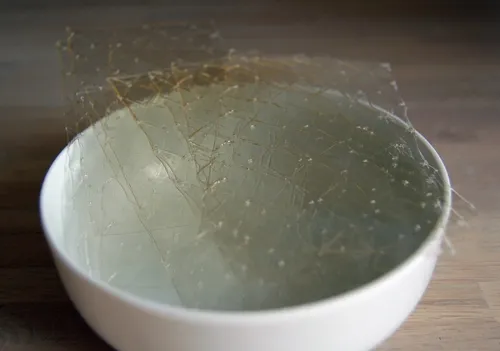
Collagen
Role: Essential protein for connective tissues, including gums and the periodontal ligament. Supports tissue regeneration and strengthens gum structure.
Typical: 2.5-15g daily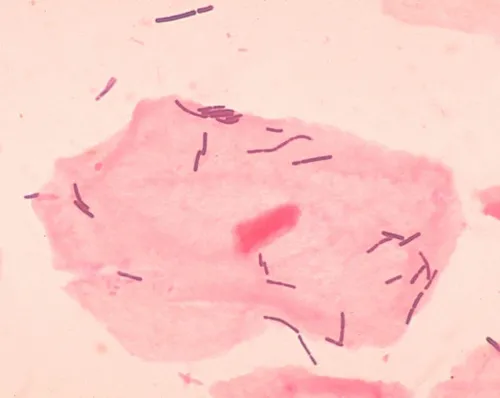
Probiotics (e.g., Lactobacillus Reuteri)
Role: Helps balance the oral microbiome by introducing beneficial bacteria, which can suppress harmful pathogens that cause gum disease and inflammation.
Typical: 1-10 billion CFU daily
Vitamin C
Role: Powerful antioxidant crucial for collagen synthesis, wound healing, and maintaining healthy gum tissue. Deficiency can lead to bleeding gums and scurvy.
Typical: 75-120mg daily
Vitamin D
Role: Essential for calcium absorption, supporting strong bones and teeth. Also plays a role in immune function and reducing inflammation in the gums.
Typical: 600-800 IU daily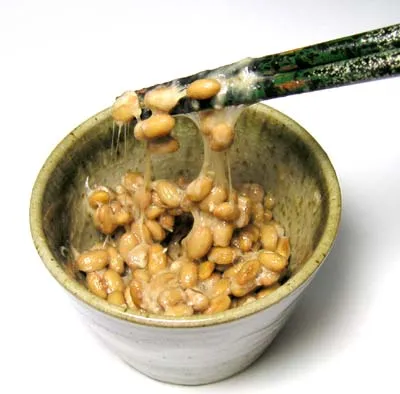
Vitamin K2
Role: Works synergistically with Vitamin D to direct calcium to bones and teeth, preventing its accumulation in soft tissues. Supports bone density and gum health.
Typical: 90-120mcg daily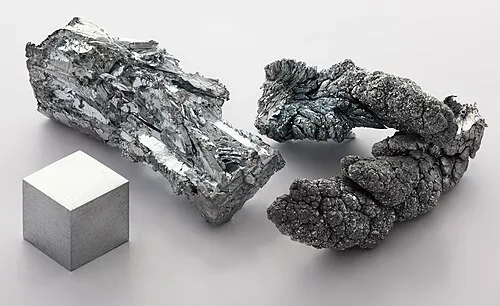
Zinc
Role: An important mineral for immune function and wound healing. It helps fight bacterial infections in the mouth and supports the integrity of gum tissue.
Typical: 8-11mg dailyDentiTox Pro is presented as an easy-to-use liquid formula, designed for daily application to support the body's natural ability to maintain oral health. While individual results may vary, the blend of these ingredients aims to provide comprehensive support for stronger gums and healthier teeth, potentially helping to mitigate issues like gum recession when combined with proper oral hygiene and regular dental check-ups. Many users have shared positive experiences, as detailed in various DentiTox Pro reviews.
Ready to Reclaim Your Gum Health? Discover DentiTox Pro.
If you're seeking a natural and effective way to support your gum health and protect against issues like recession and decay, DentiTox Pro offers a unique solution. Formulated with a powerful blend of vitamins, minerals, and plant extracts, this dietary supplement is designed to nourish your gums and teeth from within.
- ✓ Supports healthy gum tissue and reduces inflammation
- ✓ Fights harmful bacteria and rebalances oral microbiome
- ✓ Strengthens teeth and protects against decay
- ✓ Made with 100% natural, non-GMO ingredients
- ✓ Manufactured in an FDA-approved, GMP-certified facility


What Our Customers Are Saying
"I've struggled with sensitive, receding gums for years. After incorporating DentiTox Pro into my routine, I've noticed a remarkable difference. Less sensitivity, and my gums feel much healthier. It's truly a game-changer!"
"My dentist pointed out early signs of recession, and I wanted to try a natural approach. DentiTox Pro seemed like the perfect fit. My gums look healthier, and the bleeding during brushing has almost stopped. Highly recommend!"
"I was skeptical at first, but DentiTox Pro has genuinely improved my oral health. My teeth feel stronger, and the constant sensitivity from exposed roots has significantly decreased. I feel much more confident in my smile now."
Frequently Asked Questions
What are the primary causes of gum recession?
+Gum recession is primarily caused by periodontal disease (gum disease), aggressive brushing, genetics, tobacco use, misaligned teeth, and teeth grinding (bruxism). Trauma to the gums can also contribute.
Can gum recession be reversed naturally?
+While advanced gum recession often requires professional intervention, early stages can sometimes be managed and halted through improved oral hygiene, dietary changes, stress reduction, and natural remedies. The goal is often to stop progression and promote gum health, rather than fully regrow tissue that has been lost.
What are the stages of gum recession?
+Gum recession is typically classified by the Miller Classification system, ranging from Class I (mild recession not extending to the mucogingival junction) to Class IV (severe recession with significant bone loss and tissue loss, often affecting multiple teeth). Early signs include sensitivity, longer-looking teeth, and visible roots.
How does DentiTox Pro support gum health?
+DentiTox Pro is formulated with a blend of natural ingredients, including vitamins, minerals, and plant extracts, known for their potential to support oral health. These ingredients aim to reduce inflammation, strengthen gum tissue, fight harmful bacteria, and provide essential nutrients that contribute to a healthy oral microbiome, which can indirectly support gums affected by recession.
Are there any lifestyle changes that can help prevent gum recession?
+Absolutely. Key lifestyle changes include brushing gently with a soft-bristled toothbrush, flossing daily, maintaining a balanced diet rich in vitamins and minerals, quitting smoking, managing stress, and regular dental check-ups. Addressing underlying issues like teeth grinding or misaligned bites is also crucial.
When should I see a dentist for receding gums?
+It's crucial to see a dentist as soon as you notice any signs of gum recession, such as increased tooth sensitivity, visible tooth roots, or changes in gum appearance. Early diagnosis and treatment are essential to prevent further damage, address underlying causes like gum disease, and explore appropriate treatment options.
Related Articles
