Is Stress Secretly Destroying Your Smile?
In our fast-paced world, stress has become an unwelcome constant. We often associate stress with mental fatigue, anxiety, or physical tension, but its insidious reach extends far beyond what most people realize – directly into the health of your mouth.
Chronic stress doesn't just give you headaches; it can actively compromise your immune system, leading to a cascade of oral health problems from persistent gum inflammation to accelerated tooth decay. Understanding this profound connection between your mind and mouth is the first step towards reclaiming your dental well-being.

The Stress-Mouth Connection: More Than Just a Feeling
Stress is a natural physiological response, but when it becomes chronic, its effects ripple throughout the entire body, including your oral cavity. The intricate relationship between your mental state and your dental health is often overlooked, yet it plays a pivotal role in conditions like gum disease and tooth decay.
When you're under sustained pressure, your body releases hormones like cortisol, which can suppress your immune system. A weakened immune response means your body is less equipped to fight off the bacteria that naturally reside in your mouth. These bacteria, if unchecked, can lead to increased inflammation, infection, and ultimately, the destruction of gum tissue and bone that support your teeth. This is why individuals experiencing high levels of stress often find themselves more susceptible to developing or worsening periodontal disease.
Beyond the direct biological impact, stress also influences our behaviors. Many people cope with stress by adopting habits that are detrimental to oral health. This could include neglecting daily brushing and flossing routines, increasing consumption of sugary or acidic comfort foods, or even resorting to smoking and excessive alcohol intake. These behavioral changes create a perfect storm for plaque buildup, enamel erosion, and the proliferation of harmful oral bacteria, making tooth decay and cavities far more likely. Understanding these multifaceted pathways is crucial for effective prevention and treatment.
💡 Key Takeaway
Chronic stress significantly degrades oral health through various biological and behavioral pathways, increasing risks of gum disease, tooth decay, and other conditions. Proactive management and comprehensive oral care are crucial.
The Biological Pathways: How Stress Affects Your Mouth on a Cellular Level
The link between stress and oral health isn't merely anecdotal; it's rooted in complex biological processes that directly impact your dental well-being.
One of the primary mechanisms involves the hypothalamic-pituitary-adrenal (HPA) axis, which regulates your body's response to stress. When activated, it releases hormones such as cortisol. While essential for short-term survival, chronically elevated cortisol levels can lead to systemic inflammation and suppress the immune system. In the mouth, this means your gums become less resilient to bacterial attacks, making them more prone to conditions like gingivitis and periodontitis. The body's ability to heal and repair tissues is also compromised, slowing recovery from oral infections and injuries.
Furthermore, stress can alter the delicate balance of your oral microbiome. An imbalance, known as dysbiosis, allows pathogenic bacteria to thrive, leading to increased plaque formation and acid production. This acidic environment is highly corrosive to tooth enamel, accelerating the process of demineralization and significantly raising the risk of cavities. Stress also impacts saliva production; some individuals experience dry mouth (xerostomia) under stress, which further reduces the natural cleansing and protective properties of saliva, leaving teeth and gums more exposed to harm. These physiological changes create a fertile ground for a host of dental problems.
Direct Manifestations: Common Oral Conditions Exacerbated by Stress
Stress doesn't just work behind the scenes; its effects can be seen and felt directly in your mouth. Understanding these common manifestations is key to recognizing the impact of stress.
Gum Disease (Gingivitis & Periodontitis)
Chronic stress weakens the immune response, making gums highly susceptible to bacterial infections. This leads to increased inflammation, bleeding, and eventually, the destruction of gum tissue and bone, resulting in painful and often irreversible forms of gum disease. This is a primary concern for many.
Bruxism (Teeth Grinding and Clenching)
Stress is a major trigger for bruxism, an unconscious habit of grinding or clenching teeth, often during sleep. This excessive force can lead to worn-down enamel, fractured teeth, jaw pain, headaches, and even contribute to temporomandibular joint (TMJ) disorders. A custom mouthguard can sometimes help mitigate the physical damage.
Dry Mouth (Xerostomia)
Stress can reduce saliva flow, leading to a condition known as xerostomia. Saliva is crucial for washing away food particles, neutralizing acids, and remineralizing tooth enamel. A dry mouth increases the risk of cavities, gum disease, and bad breath, as protective mechanisms are compromised.
Canker Sores (Aphthous Ulcers)
While the exact cause is unknown, stress is a well-documented trigger for canker sores. These painful, shallow lesions inside the mouth can make eating and speaking uncomfortable, often appearing when the immune system is under pressure. They are a clear sign of systemic imbalance.
Temporomandibular Joint (TMJ) Disorders
Stress-induced teeth grinding and clenching can lead to increased tension in the jaw muscles, contributing to TMJ disorders. Symptoms include jaw pain, clicking or popping sounds, difficulty opening or closing the mouth, and headaches. Managing stress is key to alleviating these symptoms.
Increased Tooth Decay and Cavities
Beyond dry mouth and poor hygiene, stress can lead to increased consumption of sugary snacks and drinks. Combined with reduced saliva and a compromised immune system, this creates an ideal environment for acid-producing bacteria to flourish, accelerating enamel erosion and cavity formation.

Beyond the Obvious: Lifestyle Factors Exacerbated by Stress
The impact of stress on oral health extends beyond direct physiological responses. It significantly influences lifestyle choices that, in turn, degrade dental wellness.
Firstly, poor oral hygiene habits are common during periods of high stress. When overwhelmed, people often neglect routine tasks like brushing and flossing twice daily, allowing plaque to accumulate and harden into tartar. This neglect directly fuels the progression of gum disease and tooth decay. Secondly, stress often leads to unhealthy dietary choices, such as increased consumption of sugary, processed foods and acidic drinks. These foods create an environment conducive to bacterial growth and enamel erosion, accelerating cavity formation. For more insights on effective remedies, you can read about natural dental health remedies that work.
Furthermore, many individuals turn to detrimental coping mechanisms. Smoking and excessive alcohol consumption are known to severely compromise oral health. Smoking restricts blood flow to the gums, impairing healing and increasing susceptibility to periodontal disease, while alcohol can lead to dry mouth and sugar exposure. These habits, often intensified by stress, create a synergistic effect that rapidly deteriorates gum and tooth health. Recognising these behavioral links is just as important as understanding the biological ones in a holistic approach to oral care.
Breaking the Cycle: Strategies for Protecting Your Oral Health from Stress
While eliminating stress entirely might be unrealistic, managing its impact on your oral health is absolutely achievable. A multi-pronged approach combining stress reduction with targeted oral care can make a significant difference.
Effective Stress Management Techniques
Implementing daily stress-reduction practices is paramount. This includes mindfulness meditation, yoga, deep breathing exercises, regular physical activity, and ensuring adequate sleep. These practices can lower cortisol levels, reducing systemic inflammation and boosting overall immune function, benefiting your entire body, including your mouth.
Optimal Oral Hygiene Practices
Even under stress, maintaining a rigorous oral hygiene routine is non-negotiable. Brush your teeth twice a day with fluoride toothpaste, floss daily, and consider using an antiseptic mouthwash. Regular cleaning removes plaque and bacteria, preventing them from causing gum inflammation and tooth decay. Consistency is key to long-term oral health.
Nutrient-Rich, Anti-Inflammatory Diet
Fuel your body with a balanced diet rich in fruits, vegetables, lean proteins, and healthy fats. Foods high in antioxidants and anti-inflammatory compounds can help counteract the systemic inflammation caused by stress. Limit sugary snacks, acidic beverages, and processed foods that feed harmful oral bacteria.
Regular Dental Check-ups and Professional Care
Don't skip your biannual dental appointments. Professional cleanings remove tartar buildup that brushing can't, and your dentist can identify early signs of stress-related oral issues like bruxism or gum disease. Early intervention is crucial for preventing more severe problems and maintaining long-term oral health.
Addressing Specific Symptoms
If you suffer from bruxism, ask your dentist about a custom night guard to protect your teeth from grinding. For dry mouth, increase water intake, use saliva substitutes, and chew sugar-free gum. Addressing these specific symptoms can prevent further damage and alleviate discomfort.
Consider Natural Oral Health Support
Beyond lifestyle changes, certain natural supplements can provide targeted support for oral health, helping to fortify your mouth's natural defenses against the effects of stress. These can include vitamins, minerals, and probiotics that contribute to gum health and a balanced oral microbiome.
Nutritional Support for Oral Resilience: Building Defenses from Within
While external care is vital, nurturing your oral health from within through targeted nutrition can significantly enhance its resilience against stress and disease. Certain vitamins, minerals, and compounds play critical roles in maintaining strong teeth, healthy gums, and a balanced oral microbiome.
For instance, Vitamin C is indispensable for collagen formation, which is the primary structural protein in your gums. A deficiency can lead to bleeding gums and weakened connective tissues, making them more susceptible to periodontal disease. Similarly, Vitamin D and Vitamin K2 work synergistically to ensure calcium is properly absorbed and directed to your bones and teeth, crucial for maintaining strong enamel and jawbone density. These vitamins are not only essential for structural integrity but also for modulating the immune response, helping your body fight off oral infections more effectively.
Minerals like Zinc are crucial for immune function and wound healing in the mouth. It also plays a role in controlling bacterial growth and maintaining the integrity of the oral mucosa. Furthermore, the burgeoning field of oral probiotics highlights the importance of beneficial bacteria in the mouth. Introducing specific strains can help balance the oral microbiome, inhibit pathogenic bacteria, reduce inflammation, and even contribute to fresher breath. Together, these nutritional powerhouses provide a robust internal defense system, complementing your daily hygiene routine and helping your mouth withstand the challenges posed by stress.
Key Natural Ingredients for Oral Resilience
Understanding the role of specific ingredients can empower you to make informed choices for your oral health. Here are some natural compounds known for their profound benefits:

Vitamin C
Role: Essential for collagen synthesis, gum health, and immune function. Acts as a powerful antioxidant, crucial for fighting inflammation in gum tissues and supporting repair. A deficiency can lead to scurvy-like symptoms in the gums.
Dose: 500-1000mg daily
Vitamin D
Role: Supports bone density for strong teeth and jaw, aids calcium absorption, and modulates immune response, reducing susceptibility to infections. Crucial for both enamel and supporting bone structure around teeth.
Dose: 2000-4000 IU daily
Vitamin K2
Role: Works synergistically with Vitamin D to direct calcium to bones and teeth, preventing calcification in soft tissues and supporting overall dental structure and enamel strength. Essential for proper mineralization.
Dose: 100-200mcg daily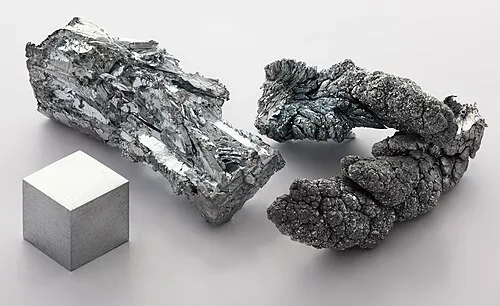
Zinc
Role: A vital mineral for immune function, wound healing, and fighting bacterial growth in the mouth. Helps maintain oral microbiome balance, reduce plaque, and support healthy gum tissue.
Dose: 15-30mg daily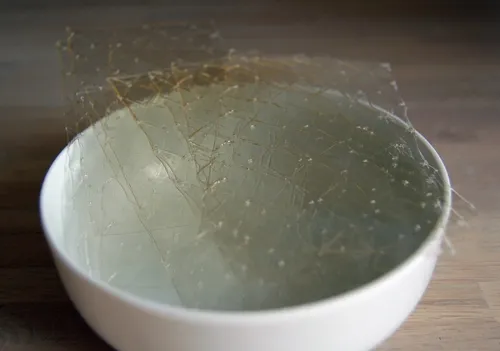
Collagen
Role: The primary structural protein for healthy gums, connective tissues, and bone. Supports gum integrity and elasticity, crucial for preventing recession and maintaining the strong attachment of teeth to the jawbone.
Dose: 5-10g daily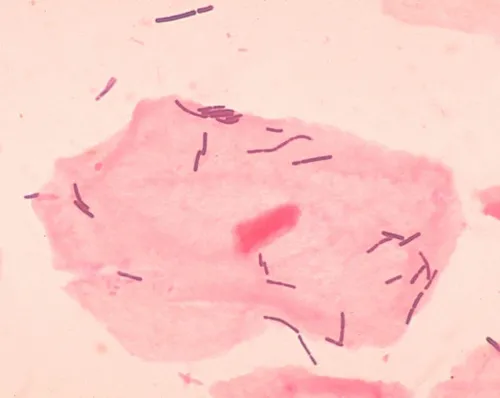
Probiotics
Role: Introduce beneficial bacteria to balance the oral microbiome, inhibit pathogenic growth, reduce bad breath, and support gum health. They create a protective barrier against harmful bacteria, reducing the risk of infections.
Dose: 1-10 billion CFUs dailyIntroducing DentiTox Pro: A Gentle Aid for Oral Wellness
In the quest for comprehensive oral health, especially when battling the adverse effects of stress, many are seeking natural, supportive solutions. DentiTox Pro emerges as one such option, offering a unique blend of ingredients designed to complement your existing oral care routine.
DentiTox Pro is a liquid dietary supplement that aims to support the health of your teeth and gums from within. It incorporates a carefully selected combination of vitamins, minerals, and plant extracts, many of which are recognized for their roles in promoting oral wellness. Unlike conventional toothpaste or mouthwash, DentiTox Pro works by delivering these beneficial compounds directly, potentially addressing underlying nutritional deficiencies that might be contributing to oral health problems exacerbated by stress.
The formulation is designed to support various aspects of oral health: from strengthening enamel and promoting healthy gum tissue to balancing the oral microbiome. By providing these essential nutrients, DentiTox Pro acts as a supportive measure, helping your body's natural defenses to function optimally. It's a gentle, convenient way to integrate additional support into your daily regimen, working in harmony with good hygiene practices and stress management techniques to foster a healthier, more resilient mouth. If you're comparing it with other options, you might find our article on DentiTox Pro vs. oral health drops enlightening.

Reclaim Your Oral Health: Support Your Smile with DentiTox Pro
Don't let stress dictate the health of your mouth. DentiTox Pro offers a unique blend of natural ingredients designed to support gum health, strengthen teeth, and promote a balanced oral environment, helping you fight back against the effects of daily stressors.
- Targets the root causes of gum disease and tooth decay
- Supports a healthy oral microbiome
- Strengthens teeth and gums naturally
- Easy-to-use liquid drop formula
- Made with 100% natural, plant-based ingredients


Real Stories, Real Smiles: DentiTox Pro User Experiences
"I was constantly worried about my receding gums, especially with my high-stress job. After a few weeks of DentiTox Pro, I noticed my gums felt firmer and less sensitive. It's given me so much peace of mind!"
"My dentist always told me my stress was making my teeth grind and my gums inflamed. DentiTox Pro, combined with my stress reduction techniques, has made a noticeable difference. My mouth feels healthier, and I'm less worried about cavities."
"Dealing with dry mouth from stress was awful, and it led to bad breath and discomfort. DentiTox Pro really helped balance things out. My mouth feels fresher, and my gums look healthier than they have in years. Highly recommend!"
Frequently Asked Questions
How does stress specifically lead to gum disease and tooth decay?
+Stress triggers a "fight or flight" response, increasing cortisol and suppressing the immune system. This makes your gums more vulnerable to inflammation and infection from bacteria, leading to gum disease. Stress also often leads to poor oral hygiene habits, dry mouth, teeth grinding (bruxism), and unhealthy eating, all of which contribute to tooth decay.
Can DentiTox Pro really help with stress-related oral issues?
+DentiTox Pro is formulated with natural ingredients known to support gum health, strengthen teeth, and balance the oral microbiome. While it doesn't directly eliminate stress, it provides a powerful nutritional foundation to help your mouth resist the damaging effects of stress-induced inflammation, bacterial overgrowth, and weakened immunity.
What are the main ingredients in DentiTox Pro, and how do they work?
+DentiTox Pro contains a blend of vitamins (like D, K2, C), minerals (Zinc), collagen, and natural extracts. These ingredients work synergistically to support gum tissue repair, strengthen tooth enamel, reduce inflammation, and promote a healthy balance of bacteria in your mouth, crucial for overall oral resilience.
How quickly can I expect to see results from using DentiTox Pro?
+Results can vary based on individual factors, the severity of oral issues, and consistency of use. Many users report noticeable improvements in gum health, reduced sensitivity, and fresher breath within a few weeks. For optimal results, it's recommended to use DentiTox Pro consistently for at least 3-6 months.
Is DentiTox Pro safe to use, and are there any side effects?
+DentiTox Pro is made with 100% natural ingredients and is manufactured in an FDA-approved, GMP-certified facility in the USA. It is generally considered safe for most adults. However, if you have any pre-existing medical conditions, are pregnant or nursing, or are taking other medications, it's always best to consult your doctor before starting any new supplement.
Where is the best place to purchase DentiTox Pro?
+To ensure you receive the authentic DentiTox Pro product and benefit from special discounts and the 60-day money-back guarantee, it is highly recommended to purchase directly from the official DentiTox Pro website. Avoid third-party retailers to prevent counterfeit products.
Related Articles
