Are you over 50 and concerned about your dental health?
As we celebrate life's milestones, our bodies undergo various changes, and our oral health is no exception. Reaching the age of 50 often brings a new set of considerations for maintaining a vibrant smile and strong teeth. It’s a common misconception that losing teeth is an inevitable part of aging, but with the right knowledge and proactive care, you can preserve your natural teeth for a lifetime.
This comprehensive guide, backed by insights from dental health research, will explore the unique challenges and effective strategies for maintaining healthy teeth and gums after 50. We'll delve into common age-related dental issues like gum disease and tooth decay, and equip you with practical tips and natural solutions to keep your smile bright and your mouth healthy.

The Impact of Aging on Oral Health: What to Expect
As the years accumulate, so do the unique challenges to our oral health. Understanding these changes is the first step towards effective prevention and maintenance.
The aging process affects every part of our body, and our mouth is no exception. While many age-related oral health issues are preventable, it's important to be aware of the common physiological shifts that can increase your vulnerability. One significant change is the **reduction in saliva flow**, often referred to as xerostomia or dry mouth. Saliva plays a crucial role in washing away food particles, neutralizing acids produced by bacteria, and providing minerals that help repair early tooth decay. A decrease in saliva can lead to a higher risk of cavities, especially root decay, and can make eating and speaking uncomfortable.
Another prevalent issue is **gum recession**. Over decades of brushing, and sometimes due to aggressive brushing techniques or underlying gum disease, the gum tissue can pull back from the teeth, exposing the tooth roots. Unlike the enamel-covered crowns of our teeth, tooth roots are covered in a softer material called cementum, which is much more susceptible to decay and sensitivity. This exposure can also make teeth appear longer and create pockets where bacteria can thrive, exacerbating gum disease.
Furthermore, years of chewing, grinding, and general wear and tear can lead to **enamel erosion and tooth attrition**. This weakens the protective outer layer of the teeth, making them more prone to chips, cracks, and decay. Existing dental work, such as fillings and crowns, also ages. Old fillings can wear down, crack, or pull away from the tooth surface, creating gaps where bacteria can enter and cause secondary decay underneath. Regular dental check-ups become even more critical to identify and address these issues promptly.
Finally, the immune system naturally becomes less robust with age, potentially making older adults more susceptible to **oral infections**, including periodontitis (advanced gum disease). Chronic inflammation in the mouth has also been linked to systemic conditions like heart disease, diabetes, and respiratory problems, highlighting the critical connection between oral health and overall well-being. Recognizing these changes empowers you to take proactive steps to safeguard your smile.
💡 Key Takeaway
Aging brings natural changes like reduced saliva flow, gum recession, and enamel wear, increasing the risk of gum disease and tooth decay. Proactive dental care and understanding these shifts are vital for maintaining oral health after 50.
Common Oral Health Issues Affecting Adults Over 50
Beyond the general effects of aging, certain specific dental problems become more prevalent in our later years. Identifying these early is key to effective management.
Gum Disease (Periodontitis)
Gum disease, ranging from gingivitis to advanced periodontitis, is a significant concern. It's an inflammatory condition caused by bacterial plaque buildup that, if left untreated, can destroy the tissues supporting your teeth, leading to tooth loss. Symptoms include red, swollen, bleeding gums, persistent bad breath, and receding gums. Early detection and consistent hygiene are paramount.
Tooth Decay (Root Cavities)
While cavities can occur at any age, older adults are particularly susceptible to root decay. As gums recede, the softer root surfaces are exposed to plaque and acid, making them more vulnerable than enamel. Furthermore, reduced saliva flow and certain medications can accelerate this process. Regular fluoride use and meticulous brushing can help protect exposed roots.
Dry Mouth (Xerostomia)
Dry mouth is often a side effect of medications commonly prescribed for conditions prevalent in older adults, such as high blood pressure, depression, and allergies. A lack of saliva not only increases the risk of decay and gum disease but can also make eating, swallowing, and speaking difficult. Managing dry mouth is crucial for comfort and preventing dental complications.
Tooth Sensitivity
Exposed tooth roots from gum recession can lead to increased sensitivity to hot, cold, sweet, or acidic foods and drinks. The dentin layer under the enamel and cementum contains tiny tubules that lead to the tooth's nerve. When exposed, these tubules allow stimuli to reach the nerve, causing pain. Special toothpastes and dental treatments can help alleviate sensitivity.
Oral Cancer
The risk of oral cancer increases significantly with age, particularly for those who smoke, chew tobacco, or consume alcohol heavily. Regular dental check-ups are vital for early detection, as dentists are trained to spot suspicious lesions or changes in the mouth, lips, tongue, and throat. Early diagnosis dramatically improves treatment outcomes.
Worn or Damaged Restorations
Old fillings, crowns, and bridges can deteriorate over time, creating gaps where bacteria can accumulate, leading to secondary decay or structural issues. It's important for your dentist to regularly check the integrity of your existing dental work and recommend replacements or repairs as needed to maintain the health and function of your teeth.

Essential Strategies for Maintaining Optimal Oral Health After 50
Proactive daily habits and regular professional care are the cornerstones of a healthy mouth at any age, but they become even more critical after 50.
Maintaining excellent oral health as you age requires a multi-faceted approach. It starts with **diligent daily oral hygiene**. This means brushing your teeth twice a day for two minutes each time, using a fluoride toothpaste and a soft-bristled brush. Consider an electric toothbrush for enhanced plaque removal, especially if dexterity is an issue. Don't forget to clean your tongue to remove bacteria that cause bad breath. Flossing or using interdental brushes daily is equally important to remove food particles and plaque from between teeth and under the gumline, areas your toothbrush can't reach.
Your **diet and nutrition** play a significant role. Limit sugary snacks and drinks, which feed harmful bacteria and contribute to tooth decay. Instead, incorporate plenty of fruits, vegetables, lean proteins, and dairy products rich in calcium and vitamin D, which are essential for strong bones and teeth. Staying hydrated by drinking plenty of water throughout the day helps maintain saliva flow and washes away food debris. If you're concerned about specific nutrient intake, consider speaking with your doctor or a nutritionist.
**Regular dental check-ups and professional cleanings** are non-negotiable. Aim for at least two visits per year, or more frequently if recommended by your dentist due to specific conditions like gum disease. These appointments allow your dentist to perform comprehensive oral cancer screenings, check for cavities, assess the health of your gums, and ensure your existing dental work is in good condition. Professional cleanings remove stubborn plaque and tartar that regular brushing cannot, preventing gum inflammation and decay.
If you experience **dry mouth**, beyond staying hydrated, your dentist might recommend specific products like artificial saliva or fluoride rinses to alleviate symptoms and protect your teeth. For **sensitive teeth**, using a toothpaste designed for sensitivity can make a big difference, and your dentist may offer in-office treatments like fluoride varnish or bonding agents to seal exposed root surfaces. Addressing gum recession might involve changes in brushing technique or, in more severe cases, gum grafting procedures.
Finally, **lifestyle choices** have a profound impact. Quitting smoking and reducing alcohol consumption are two of the most beneficial steps you can take for your oral and overall health. Both are major risk factors for gum disease, tooth loss, and oral cancer. By integrating these strategies into your daily routine, you can significantly reduce your risk of age-related dental problems and enjoy a healthy, confident smile well into your golden years.
Holistic Approaches to Support Oral Wellness
Beyond traditional methods, integrating natural and holistic practices can further enhance your oral health regimen, promoting long-term wellness.
Herbal Rinses & Teas
Certain herbs possess natural antiseptic and anti-inflammatory properties. Rinsing with diluted tea tree oil, peppermint tea, or sage tea can help reduce bacteria and soothe irritated gums. Always dilute essential oils and research proper usage to ensure safety.
Oral Probiotics
Just like your gut, your mouth has a microbiome. Introducing beneficial oral probiotic strains can help balance the bacterial environment, reducing the populations of harmful bacteria linked to gum disease and bad breath. Look for specific strains like *Lactobacillus reuteri* and *Streptococcus salivarius*.
Nutrient-Rich Diet
Beyond avoiding sugar, focus on a diet rich in vitamins and minerals vital for oral health. Vitamin C supports gum tissue, Vitamin D and K2 aid calcium absorption for strong bones and teeth, and zinc plays a role in immune function and wound healing in the mouth.
Mind-Body Connection
Stress can manifest as teeth grinding (bruxism) or clenching, leading to tooth wear, jaw pain, and even cracked teeth. Practicing stress-reduction techniques like meditation, yoga, or deep breathing can protect your teeth and overall well-being. A balanced lifestyle contributes to a healthier mouth.
Exploring Natural Support for Oral Health: The DentiTox Pro Approach
While diligent hygiene and regular dental visits are paramount, natural supplements can offer complementary support, especially as our bodies' needs change with age.
In the quest to maintain optimal oral health after 50, many individuals are turning to holistic and natural solutions to complement their traditional dental care routines. The idea is to provide the body with essential nutrients and compounds that support the natural defense mechanisms of the mouth, helping to strengthen teeth, soothe gums, and balance the oral microbiome. This is where products like DentiTox Pro come into play, offering a blend of ingredients specifically chosen for their potential benefits to dental health.
As we age, our bodies may become less efficient at absorbing vital nutrients from food, or our diets might not always provide adequate amounts of everything needed for robust oral health. For instance, minerals like calcium and phosphorus are crucial for tooth enamel and bone density, while vitamins like C and D are essential for gum tissue integrity and immune response against oral pathogens. Herbal extracts and probiotics can further support a healthy oral environment, reducing the prevalence of harmful bacteria that lead to gum disease and decay.
DentiTox Pro is formulated with a blend of vitamins, minerals, and plant extracts, aiming to address some of these nutritional gaps and provide targeted support for teeth and gums. It's designed to be a gentle, yet effective, addition to your daily routine, working in harmony with good brushing and flossing habits. The philosophy behind such supplements is to nourish the oral tissues from within, creating a stronger foundation for long-term dental wellness and helping to mitigate some of the age-related vulnerabilities we discussed earlier.
It's important to remember that DentiTox Pro, or any supplement, is not a magic bullet and should not replace professional dental care. Instead, it serves as a supportive measure, providing additional tools in your arsenal against common oral health challenges like gum disease and tooth decay. When considering any supplement, it's always wise to discuss it with your dentist or healthcare provider to ensure it aligns with your individual health needs and existing medications.
Key Ingredients for Advanced Oral Support
DentiTox Pro incorporates a blend of natural ingredients, each selected for its known benefits to dental and gum health.
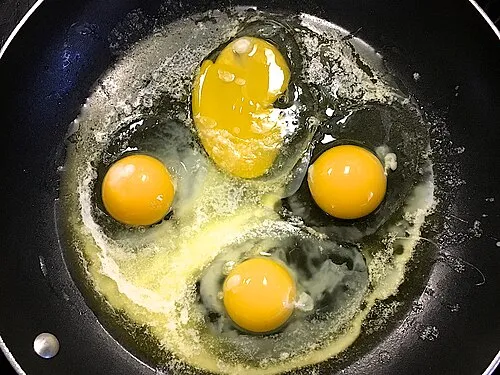
Vitamin D
Role: Essential for calcium absorption, which is crucial for strong bones and teeth. It also plays a role in immune function, helping the body fight off oral infections that lead to gum disease.
Supports bone density and immunity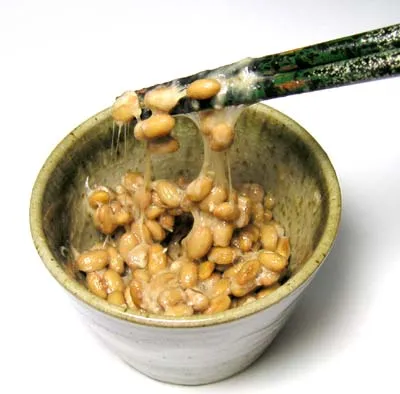
Vitamin K2
Role: Works synergistically with Vitamin D to direct calcium to the bones and teeth, preventing its accumulation in soft tissues. It's vital for maintaining strong enamel and preventing decay.
Aids calcium utilization for strong teeth
Vitamin C
Role: A powerful antioxidant vital for collagen production, which is a major component of healthy gum tissue. It supports gum integrity, reduces inflammation, and helps prevent bleeding gums.
Supports gum tissue and immunity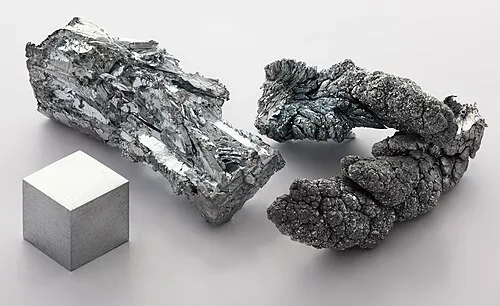
Zinc
Role: An essential trace mineral with antibacterial properties, zinc helps inhibit plaque formation and reduces the growth of bacteria associated with bad breath and gum disease. It also supports immune function.
Fights bacteria and reduces plaque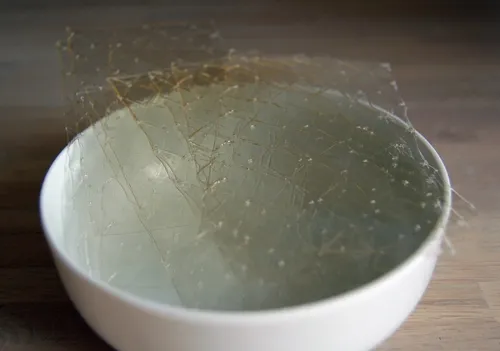
Collagen
Role: As the most abundant protein in the body, collagen is crucial for the structural integrity of gums, ligaments, and the bone that supports your teeth. Supplementing collagen can help maintain healthy gum attachment and prevent recession.
Strengthens gums and supporting tissues
Probiotics
Role: Specific strains of beneficial bacteria help balance the oral microbiome, crowding out harmful pathogens that contribute to cavities, gum disease, and halitosis. They promote a healthier oral environment.
Balances oral microbiome, fights bad bacteriaConclusion: A Lifetime of Healthy Smiles
Maintaining optimal oral health after 50 is not just about aesthetics; it's a fundamental component of your overall well-being and quality of life.
As we've explored, aging brings a unique set of challenges to our oral health, from increased risks of gum disease and tooth decay to issues like dry mouth and tooth sensitivity. However, these challenges are far from insurmountable. By adopting a proactive and comprehensive approach, you can significantly reduce your vulnerability to these conditions and enjoy a healthy, functional smile for many years to come.
The core tenets of this approach remain consistent: **diligent daily oral hygiene**, including thorough brushing and flossing; **regular professional dental check-ups and cleanings**; a **nutrient-rich diet** that supports bone and gum health; and **healthy lifestyle choices** like avoiding tobacco and excessive alcohol. These foundational practices are the bedrock upon which a lifetime of good oral health is built.
Furthermore, exploring **natural complementary solutions**, such as those offered by supplements like DentiTox Pro, can provide an additional layer of support. By supplying your body with essential vitamins, minerals, and botanical extracts known for their beneficial effects on dental and gum health, you can help fortify your mouth's natural defenses and address potential nutritional gaps that may arise with age. Remember that products like DentiTox Pro are designed to enhance, not replace, the advice and care from your dental professional. For more information on whether DentiTox Pro is right for you, consider reading an honest review.
Ultimately, investing in your oral health after 50 is an investment in your overall health, comfort, and confidence. A healthy mouth allows you to eat, speak, and smile without pain or embarrassment, contributing greatly to your social engagement and mental well-being. Embrace these strategies, stay informed, and partner with your dental team to ensure your smile remains a vibrant part of your life's journey.
Ready to Fortify Your Oral Health Naturally?
Take control of your dental future with DentiTox Pro, a powerful blend of natural ingredients designed to support strong teeth and healthy gums, especially as you age.
- ✓ Supports healthy teeth and gums
- ✓ Formulated with potent vitamins, minerals & plant extracts
- ✓ Helps combat common age-related oral issues
- ✓ Easy-to-use liquid formula for maximum absorption
- ✓ Made in an FDA-approved, GMP-certified facility


Hear From Our Satisfied Customers
"I'm 62 and was worried about my receding gums. After a few months with DentiTox Pro, I feel a noticeable improvement in my gum health and less sensitivity. My dentist even commented on the improvement!"
"My dry mouth made eating difficult and I was constantly worried about cavities. DentiTox Pro has been a game-changer. My mouth feels fresher, and my last check-up was great. Highly recommend for anyone over 50!"
"I've tried many supplements for my dental health, but DentiTox Pro truly stands out. My teeth feel stronger, and my gums are much less inflamed. It's a fantastic addition to my daily routine."
Frequently Asked Questions
Why is oral health so important after age 50?
+Maintaining oral health after 50 is crucial because age-related changes and accumulated wear and tear can increase the risk of serious issues like gum disease, tooth decay, and even oral cancer. Good oral health also significantly impacts overall systemic health, affecting conditions like heart disease, diabetes, and respiratory problems. Proactive care helps preserve natural teeth, ensures comfortable eating, and maintains quality of life.
What are the most common dental problems for seniors?
+Seniors commonly face issues such as gum disease (periodontitis), root decay due to receding gums, dry mouth (xerostomia) often caused by medications, sensitive teeth from exposed roots, and the need for restorations like crowns, bridges, or dentures. Oral cancer risk also increases with age, making regular screenings vital.
How can I prevent gum disease as I age?
+Preventing gum disease involves diligent daily oral hygiene, including brushing twice a day with fluoride toothpaste and flossing daily. Regular professional dental cleanings and check-ups are essential to remove plaque and tartar build-up. Maintaining a balanced diet, avoiding tobacco, and managing systemic conditions like diabetes also play a significant role in gum health. Consider natural supplements that support gum tissue integrity.
Is dry mouth a normal part of aging, and how can I manage it?
+While dry mouth can be more prevalent with age, it's often a side effect of medications (common in older adults) rather than a direct result of aging itself. To manage it, stay well-hydrated, chew sugar-free gum or suck on sugar-free candies to stimulate saliva, use a humidifier, and try over-the-counter artificial saliva products. Consult your dentist or doctor if it persists, as it can increase decay risk.
How often should I visit the dentist after 50?
+For most individuals over 50, it is recommended to visit the dentist for a check-up and professional cleaning at least twice a year, or every six months. However, if you have ongoing gum disease, chronic dry mouth, extensive dental work, or other risk factors, your dentist might recommend more frequent visits (e.g., every three or four months) to monitor your oral health closely and prevent complications.
Can natural supplements really help maintain oral health in older adults?
+Yes, natural supplements can play a supportive role in maintaining oral health, especially for older adults. Ingredients like Vitamin D, K2, C, Zinc, and certain probiotics contribute to stronger teeth, healthier gums, and a balanced oral microbiome. While not a replacement for good hygiene and professional care, they can complement these efforts by providing essential nutrients that might be lacking in the diet or become less efficiently absorbed with age. Always consult your dentist before adding new supplements.
Related Articles

